
Views: 0 Author: Site Editor Publish Time: 2026-01-26 Origin: Site


Roller conveyors are essential in material handling systems. They help move goods efficiently in warehouses and factories.
In this article, we will explain how roller conveyors work and their different types. You will learn how they improve productivity and reduce costs.
By the end, you will understand how roller conveyors streamline operations. Learn more about our products at Motor and Drive.
A roller conveyor is a type of conveyor system that uses cylindrical rollers arranged in a frame to move materials. The rollers are designed to provide a smooth surface for products to travel over, facilitating the transfer of goods from one point to another. This system can either be gravity-driven or powered by electric motors, depending on the design.
The simplicity and versatility of roller conveyors make them ideal for transporting a wide range of materials, from lightweight packages to heavy-duty items like pallets and trays. The adaptability of roller conveyors helps optimize workflow in manufacturing plants, warehouses, and distribution centers.
Roller conveyors come in several variations, each suited for different applications:
● Gravity Roller Conveyors: These conveyors rely on the force of gravity to move materials. They are ideal for situations where the conveyor is installed on a decline or where manual intervention is minimal.
● Powered Roller Conveyors: These systems are powered by electric motors, ensuring consistent movement for heavier loads and long distances. They are often used in automated systems where precise control and high throughput are required.
Roller conveyors are commonly used in various industries for moving products across different stages of production or distribution. They are frequently used in:
● Warehouses: To efficiently transport goods between storage areas and picking stations.
● Manufacturing: To move raw materials, semi-finished goods, and final products along assembly lines.
● Packaging: To guide items through packaging stages such as labeling, sealing, and boxing.
● Logistics: In distribution centers, roller conveyors help move products efficiently during sorting and shipping.
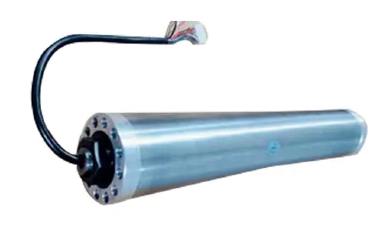
Roller conveyors operate on the principle of moving materials using rotating cylindrical rollers. These rollers allow goods to glide smoothly along the conveyor path. Gravity roller conveyors depend on a slope or a manual push to move products, while powered roller conveyors utilize electric motors to turn the rollers and push items along the track.
The key component of powered roller conveyors is the drive system. This system uses motors to rotate the rollers at a controlled speed, allowing for precise movement of goods. The drive mechanism can include belts, chains, or direct motor-driven rollers.
The main distinction between gravity roller conveyors and powered roller conveyors is the method of movement. Gravity conveyors rely on slopes or manual pushes to move items, making them highly cost-effective and simple to install. They are best for lightweight products or short distances.
On the other hand, powered roller conveyors are driven by electric motors and are suitable for heavier loads or long-distance transportation. Powered systems offer better control over speed and direction, making them ideal for environments that require high precision.
Feature | Gravity Roller Conveyors | Powered Roller Conveyors |
Power Source | Relies on gravity or manual effort | Driven by electric motors |
Load Capacity | Best for lightweight loads and short distances | Suitable for heavier loads and long-distance transport |
Cost | Lower installation and maintenance costs | Higher initial costs but efficient for heavy-duty applications |
Speed Control | No speed control, dependent on gravity | Offers precise speed control with variable motor speed |
Roller conveyors consist of several key components that work together to ensure smooth product movement:
● Rollers: The primary moving part of the conveyor, made from materials such as stainless steel, aluminum, or plastic, depending on the environment and load requirements.
● Frame: Provides structural support for the conveyor system, ensuring stability and alignment.
● Drive System: In powered roller conveyors, the drive system consists of the motor, usually connected to the rollers via belts, chains, or direct motor-driven mechanisms.
● Control System: Advanced roller conveyors may incorporate sensors and warehouse management systems (WMS) for automated control of product flow.
Component | Function |
Rollers | Cylindrical parts that move goods along the conveyor. |
Frame | Structural support that holds the rollers in place. |
Drive System | Powers the rollers in powered systems, typically using motors, belts, or chains. |
Control System | Manages the flow of goods, integrating sensors and warehouse management systems. |
There are several types of rollers designed for different applications:
● Smooth Rollers: Commonly used for light-duty gravity roller conveyors. They provide a smooth surface that allows lightweight materials to move easily.
● Grooved Rollers: Designed for heavy-duty applications, especially when handling large or heavy products. These rollers provide additional grip to prevent slipping.
● Tapered Rollers: These are essential for curved sections of conveyors. Tapered rollers help maintain proper alignment as items move around bends.
The material used for rollers depends on the type of environment in which the conveyor will be used. Common materials include:
● Stainless Steel: Ideal for food and pharmaceutical applications, as it is durable, corrosion-resistant, and easy to clean.
● Plastic: Lightweight and cost-effective, suitable for less demanding environments.
● Aluminum: Offers strength and corrosion resistance, often used for medium-duty applications.
Rollers are equipped with bearings that allow them to rotate smoothly, minimizing friction and wear. Regular maintenance of these bearings is crucial to ensure the longevity of the conveyor system. Lubrication and proper alignment of the bearings are essential to avoid costly repairs and downtime.
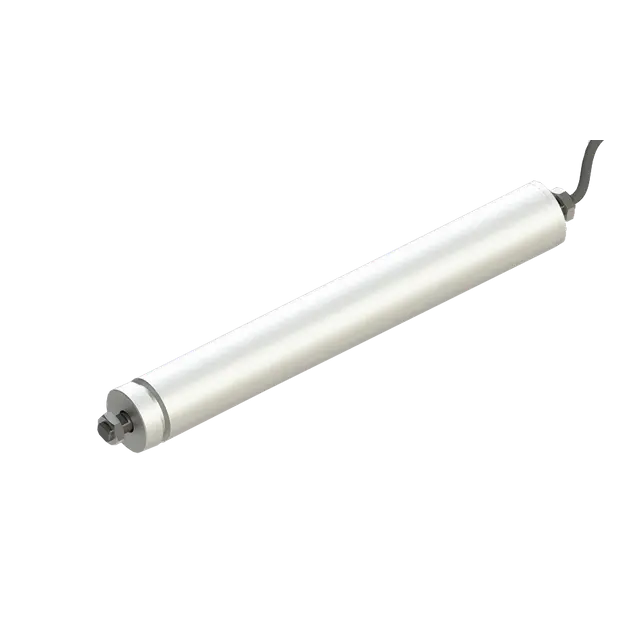
Roller conveyors significantly increase the speed of material handling, reducing the time needed to move goods through various stages of production or distribution. Powered roller conveyors are especially beneficial in automated systems, increasing throughput and reducing labor costs.
Roller conveyors are known for their durability and low maintenance needs. Gravity roller conveyors, in particular, require very little maintenance. For powered systems, regular checks and lubrication of the motor and rollers can help prevent breakdowns and ensure smooth operation.
Compared to other types of conveyor systems, roller conveyors are relatively inexpensive to install and maintain. Gravity roller conveyors have no operating costs, making them ideal for environments with low to moderate volume. Powered roller conveyors, though requiring an initial investment, offer a good return on investment due to their reliability and efficiency.
Benefit | Description |
Increased Efficiency and Speed | Reduces time spent on manual labor and speeds up material handling. |
Low Maintenance and Durability | Simple system design with minimal moving parts, reducing the need for frequent repairs. |
Cost-Effectiveness | Affordable installation and maintenance, especially with gravity roller conveyors. |
Jamming can occur when products are misaligned or blocked by debris. Regular inspection and maintenance of the rollers and control system can prevent such issues. Ensuring the correct product size and weight for the conveyor type also helps minimize blockages.
Over time, rollers can wear down, especially when used to transport heavy materials. Replacing worn rollers and regularly maintaining the bearings can extend the life of the conveyor and keep it running efficiently.
Misalignment of rollers or the conveyor frame can lead to product derailment. Regular alignment checks and adjusting the conveyor setup during installation are essential to keep the system operating smoothly.
Roller size and spacing can be customized depending on the type of product being transported. For heavier loads, larger rollers with wider spacing are needed to provide sufficient support and ensure smooth movement.
Roller conveyors can be customized with inclined or curved sections to fit the layout of a facility. These adjustments allow for better use of space and optimized product flow.
Roller conveyors can be integrated with other types of material handling systems, such as belt conveyors, automated sorting systems, or lifts. This creates a comprehensive and efficient solution for moving products throughout a facility.
In warehousing and distribution centers, roller conveyors help move products from storage areas to picking stations and from packaging to shipping areas. They streamline product flow, reduce handling time, and improve inventory management.
In manufacturing, roller conveyors move goods through various stages of production. In packaging, they help transport products through labeling, sealing, and boxing stages, ensuring fast and efficient operations.
Roller conveyors are crucial in industries like food processing and pharmaceuticals, where hygiene and sanitation are essential. Stainless steel rollers are commonly used to meet industry standards for cleanliness and durability.
Roller conveyors are essential in modern material handling systems, offering increased efficiency, speed, and cost-effectiveness. Whether gravity-driven or powered, they are ideal for various industries, including warehousing, manufacturing, and packaging. Their versatility, low maintenance, and durability make them a great solution for optimizing product movement. Businesses benefit from roller conveyors to streamline workflows and improve productivity. For tailored solutions to optimize your material handling systems, Motor and Drive offers expert guidance and customized products to meet your specific operational needs.
A: A roller conveyor is a material handling system that uses cylindrical rollers to move goods along a track. It can be gravity-driven or powered by electric motors.
A: Roller conveyors move goods by using rollers, which rotate to push items along the track. Gravity conveyors use slopes, while powered systems rely on motors for movement.
A: Roller conveyors increase efficiency, reduce labor costs, and optimize product movement. They are low-maintenance, durable, and adaptable to various industries.
A: Gravity roller conveyors rely on slopes for movement, while powered roller conveyors use electric motors to drive the rollers, making them suitable for heavier loads.


 English