
Views: 465 Author: Site Editor Publish Time: 2025-12-25 Origin: Site


Motorized rollers play a crucial role in modern conveyor systems, automated warehouses, production lines, and parcel-sorting facilities. Unlike traditional external conveyor motors, a motorized roller integrates the motor, transmission components, and roller structure into a single compact unit. This design reduces noise, simplifies installation, improves efficiency, and supports a high level of modularity. Because the roller is both a mechanical component and a driving unit, its lifespan determines the stability and performance of the entire conveying system.
For this reason, one of the most common questions asked by equipment manufacturers, system integrators, warehouse operators, and maintenance teams is: How long does a motorized roller actually last?
The answer is not as simple as a single number, because the service life of a motorized roller depends on several interacting factors. These include the roller’s mechanical structure, motor quality, load conditions, environmental exposure, installation accuracy, and maintenance frequency. This article provides a detailed and practical explanation of motorized roller lifespan, the main influencing factors, early warning signs of wear, and best practices to prolong service life.
Whether you are selecting a new motorized roller for your facility or determining the right time to replace existing rollers, the information here will help you make informed decisions and reduce operational downtime.
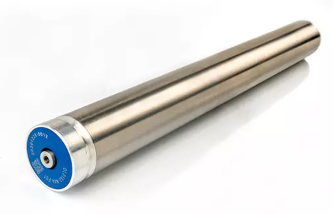
In general industrial environments and under reasonable workloads, a high-quality motorized roller typically lasts between five and ten years. When measured by operating hours rather than calendar years, most rollers provide between twenty thousand and thirty thousand hours of effective service life before significant wear begins to appear.
This range assumes the roller is used in a properly designed conveyor system, with correct load distribution and appropriate environmental conditions. In heavy-duty operations, such as intensive parcel sorting or high-speed manufacturing lines, actual lifespan may be shorter. Conversely, when rollers operate under light load and are well maintained, their service life can exceed ten years.
The key point is that lifespan is not fixed. It changes depending on the application. Understanding the contributing factors will help you maximize your equipment's operational value.
The internal motor is the heart of every motorized roller. Its quality has a direct impact on service life, energy efficiency, and reliability. Motorized rollers usually use either brushed DC motors or brushless DC motors. Brushless motors offer longer lifespan, produce less heat, and require minimal maintenance. They are commonly used in demanding industrial environments. Brushed motors may be suitable for light-duty or budget-sensitive applications, but their brushes wear out over time and will eventually require replacement.
Beyond the motor itself, the durability of internal gears, bearings, and shafts plays a significant role. High-precision bearings reduce friction, prevent overheating, and ensure smooth rotation even at high conveyor speeds. Hardened or alloy steel gears resist wear, maintain torque output, and protect internal mechanisms under heavy loads. If these parts are produced with lower-grade materials or insufficient precision, the roller may experience premature performance decline.
The roller shell material is equally important. Carbon steel rollers offer good strength and economical cost, but they may corrode in humid or chemical environments. Stainless steel rollers provide excellent corrosion resistance, especially in food processing or cleanroom environments, and typically last longer. Aluminum rollers are lightweight but less durable under high load or high-impact conditions.
Overall, motor and mechanical component quality set the foundation for how long a roller can operate without failure.
Motorized rollers are designed to operate within a specific range of loads and speeds. When used within these limits, they can perform reliably for many years. However, continuous exposure to excessive load or improper operating cycles can shorten lifespan significantly.
Load affects not only the motor but also the internal gears, bearings, and the roller shell itself. If the roller is overloaded for long periods, the motor may overheat, gear teeth may wear rapidly, and bearings may lose lubrication or become misaligned. Excessive belt tension is another common cause of early roller failure because it increases friction and places unnecessary force on the motor.
Operating frequency also matters. Applications with frequent stopping and starting, such as parcel-divert systems or automated sorting points, place more stress on the roller motor than continuous-running conveyors. In these situations, selecting a roller specifically designed for high cycling frequency is essential.
Matching roller diameter, torque, and speed with the intended load ensures optimal performance. Larger roller diameters distribute force more evenly and reduce stress on internal components, which can extend service life.
Environmental conditions affect motorized roller lifespan more than most users realize. Even a high-quality roller can wear out prematurely if its environment is harsh or unsuitable.
Dust is one of the most common issues. Fine dust from wood, textiles, chemicals, or food processing can enter the roller’s end caps or cables, affecting bearings or electrical connections. Dust accumulation may also lead to overheating, especially in areas with poor ventilation.
Temperature extremes influence roller longevity as well. Environments above forty degrees Celsius accelerate motor heating and reduce efficiency. Environments below minus ten degrees can affect lubricant viscosity and cause mechanical stiffness. Both extremes increase internal stress and reduce the lifespan of gears and bearings.
Humidity and corrosive environments introduce additional risks. High humidity encourages rust on carbon steel parts and may affect internal electronic components if the roller is not properly sealed. Chemical exposure, washdown processes, or salt-air environments require stainless steel materials and higher IP-grade protection to ensure long-term durability.
By choosing the correct roller material and protection rating, many environmental risks can be effectively mitigated.
Even the best motorized roller can fail prematurely if installed incorrectly. Misaligned conveyor frames, poorly positioned brackets, or uneven belt tension can place unnatural stress on the roller shaft and bearings. Over time, these stresses lead to heat generation, irregular movement, vibration, and early component wear.
Wiring and electrical connection issues are another common cause of premature roller failure. Incorrect voltage or insufficient shielding can cause overheating, communication loss, or motor damage. In conveyor systems that use sensors, control cards, or distributed communication networks, incorrect configuration may lead to motor overload cycles or unpredictable operating patterns that increase wear.
To maximize service life, installation should be carried out by trained technicians following the manufacturer’s guidelines. Proper alignment, correct belt tension, and stable electrical configuration are essential for long-term reliability.
Motorized rollers are often marketed as low-maintenance components. While this is true compared to traditional conveyor motors, low maintenance does not mean no maintenance. Regular inspection and cleaning can significantly extend the roller's life.
A simple weekly cleaning routine to remove dust and debris helps maintain stable temperature and reduces contamination of moving parts. Monthly inspections should include checking for abnormal noise, vibration, or inconsistent rotation. These early signs often appear long before complete failure, allowing time for proactive replacement before downtime occurs.
Every six to twelve months, deeper inspection is recommended. This includes checking belt tension, alignment, electrical connectors, and roller temperature after operation. Over time, belts may stretch, conveyor frames may shift, or electrical components may age. Addressing such issues helps prevent unnecessary roller stress and extends service life.
Avoiding common mistakes is important. Over-tightening belts, running rollers under continuous overload, or ignoring early vibration signs are frequent errors that reduce service life. A structured maintenance schedule can extend lifespan by twenty to thirty percent and reduce unexpected shutdowns.
Recognizing early warning signs helps avoid costly downtime. Several indicators suggest a roller is approaching the end of its usable life.
Motor-related issues include noticeable loss of torque, difficulty starting, overheating, or inconsistent speed. Electrical symptoms may involve slow response, failure to maintain speed settings, or repeated activation of safety protections.
Mechanical symptoms often include unusual grinding or rattling noises, visible deformation on the roller shell, or excessive vibration. Any irregular movement under load is a strong indication of internal wear. Bearing deterioration typically presents as increased noise or heat around the roller ends.
If these symptoms appear consistently, replacement is recommended. Continued operation of a worn roller may damage adjacent components or create operational risks.
Motorized rollers differ significantly from traditional external conveyor drive systems. Motorized rollers operate with much lower noise, require less maintenance, and offer improved energy efficiency. Their compact structure frees up space and simplifies conveyor design. In automated facilities, the modular nature of motorized rollers makes system expansion or reconfiguration more convenient.
Traditional conveyor motors may still be suitable for extremely heavy-duty applications. However, they require regular lubrication, tension adjustments, and mechanical alignment. Motorized rollers offer better overall efficiency and reduced long-term operational cost, which makes them the preferred choice in modern distribution centers and manufacturing plants.
Several proactive steps can significantly extend the service life of a motorized roller. Selecting the correct model with appropriate torque, speed, and roller diameter is essential. Load conditions should always remain within the rated limits, and belt tension must be regularly inspected to ensure it is not excessive.
Keeping the working environment clean and dry helps maintain stable roller temperature and prevents contamination. Regular maintenance checks should be performed even for rollers advertised as maintenance free. Proper installation, alignment, and system design ensure that internal components operate smoothly and without unnecessary stress.
By following these practices, facilities can reduce downtime, improve productivity, and extend the effective lifespan of their motorized rollers.
A motorized roller typically provides five to ten years of stable service life, or approximately twenty thousand to thirty thousand hours of operation, depending on its quality, application, and environment. Factors such as load conditions, motor type, shell material, installation accuracy, and maintenance frequency all contribute to how long the roller will last.
With thoughtful selection, proper installation, and consistent maintenance, a motorized roller can operate reliably for many years and offer excellent return on investment. By recognizing early warning signs and addressing environmental challenges, businesses can optimize performance and avoid unexpected downtime.
A high-quality motorized roller usually lasts five to ten years, or about twenty thousand to thirty thousand operating hours, depending on load conditions, environment, and maintenance.
Roller lifespan is influenced by motor type, internal components, load capacity, operating cycles, environmental conditions, installation accuracy, and regular maintenance practices.
You can extend lifespan by keeping loads within rated limits, maintaining proper belt tension, ensuring correct installation, keeping the environment clean, and performing scheduled inspections.
Warning signs include reduced torque, overheating, irregular speed, unusual noise, increased vibration, or inconsistent movement under load. These indicate internal wear or motor decline.
Motorized rollers offer lower noise, higher efficiency, easier installation, and reduced maintenance compared to traditional motors, making them ideal for modern conveyor and automated systems.


 English