
Views: 0 Author: Site Editor Publish Time: 2026-03-09 Origin: Site


Roller conveyors are an essential material handling solution used across various industries. These systems use rotating rollers to move items along a path, making them ideal for environments requiring efficient and continuous movement of goods. Whether driven by gravity or powered by motors, roller conveyors play a crucial role in optimizing workflows, especially in environments such as warehouses, manufacturing facilities, and distribution centers. In this article, we will explore how roller conveyors work, the different types available, key components, their advantages, applications, and how to maintain them for optimal performance.
A roller conveyor is a type of conveyor system that uses a series of cylindrical rollers to move materials from one point to another. These conveyors can be powered or non-powered and are designed to handle various materials efficiently. Powered roller conveyors are commonly used to move heavier items or in cases where greater control over the flow of materials is necessary.
Roller conveyors are typically used to transport materials like boxes, pallets, and containers across factories, warehouses, and distribution centers. They are more efficient than manual handling and help to reduce operational costs.
Roller conveyors are available in different configurations, each serving unique applications:
Gravity Roller Conveyors: Powered by gravity, these conveyors are used to transport materials from higher to lower elevations, ideal for lighter loads.
Live Roller Conveyors: Powered by motors, these are ideal for moving heavier loads, providing greater control over material movement.
Chain-Driven Roller Conveyors: These conveyors use chains to power the rollers, making them ideal for heavy-duty applications, such as transporting bulky or large items.
Each type of roller conveyor offers different benefits depending on the material handling needs of the user, such as load capacity, speed, and distance.
Roller conveyors are highly beneficial in a range of industrial settings for several reasons:
Efficiency: Roller conveyors allow for smooth, continuous material handling with minimal effort.
Reduced Labor: These systems reduce the need for manual labor, improving workplace safety and productivity.
Customization: Roller conveyors can be tailored to fit specific tasks, such as sorting, accumulation, and transportation.
Space-Saving: Especially gravity roller conveyors, which can be designed in tight spaces, improving the layout of a facility.
Roller conveyors are designed to move materials from one location to another using cylindrical rollers. The rollers rotate as materials are placed on them, facilitating movement across the conveyor. The way these rollers are powered depends on the type of conveyor system.
In gravity roller conveyors, materials move due to the slope of the conveyor or by being pushed manually. These conveyors rely on the force of gravity to carry items from one section to another, making them ideal for light loads.
In live roller conveyors, powered rollers are driven by electric motors, which allow for controlled movement of heavier materials. These systems are highly adjustable and can move materials at varying speeds, offering greater flexibility.
Powered Rollers: In powered roller conveyors, a motorized mechanism drives the rollers through a belt, chain, or direct drive. The motor drives the system, providing continuous motion and the ability to handle heavier and irregularly shaped materials.
Non-Powered Rollers: Gravity roller conveyors use non-powered rollers that rely on gravity to move the materials. These are often used for simple material handling tasks, like moving items from one part of the warehouse to another on a gentle slope.
Gravity roller conveyors rely on the incline of the system or manual force to move materials from one point to another. These conveyors are typically used for light materials and in situations where the natural incline of the area allows for smooth, gravity-assisted material movement.
Transporting light items or packages in warehouses.
Moving materials in distribution centers.
Sortation applications where gravity can drive material flow.
Live roller conveyors use powered rollers, driven by motors, belts, or chains, to move materials efficiently. These conveyors are ideal for handling heavy or irregular loads and are commonly used in industries that require more precise control over material movement.
Ability to transport heavier and larger items.
Suitable for applications requiring controlled movement and adjustable speeds.
Can be used in applications that need accumulation, diverting, or merging.
Chain-driven roller conveyors use chains to power the rollers and are typically used in heavy-duty applications where materials such as large pallets or heavy containers need to be transported.
Manufacturing facilities for heavy products.
Automated material handling systems requiring high-load capabilities.
Industries like automotive and steel, where large, heavy parts are moved.
A roller conveyor system consists of several core components that enable the smooth transportation of materials:
Component | Function |
Powered Rollers | These rollers are driven by a motor, belt, or chain to move materials. |
Drive Mechanism | Powers the rollers, usually through belts, chains, or direct motor drive. |
Sprockets or Pulleys | Transmit power from the drive mechanism to the rollers. |
Frame | The structural base that supports the rollers and the drive system. |
Motor | Provides power to the conveyor system by driving the drive mechanism. |
Each component of the roller conveyor plays an essential role in ensuring efficient material movement. The type of drive system selected depends on the requirements of the specific application.
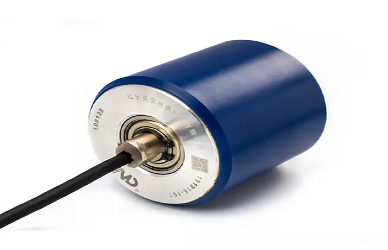
Roller conveyors facilitate continuous, automated movement of goods, reducing manual labor and improving operational efficiency. They are ideal for handling bulk materials, especially in industries like warehousing and manufacturing.
Roller conveyors are adaptable to various materials and load types, including lightweight products, large crates, and heavy pallets. Powered roller conveyors, such as live and chain-driven roller conveyors, are particularly useful for handling more challenging materials, offering speed control and smooth handling.
Compared to other conveyor systems, roller conveyors typically require lower maintenance. The rollers have fewer parts subject to wear, and regular maintenance mainly involves inspecting the motor and drive mechanism. The overall cost of operation and maintenance is also lower than other conveyor types.
Roller conveyors are used in several industries due to their flexibility and efficiency in moving materials.
Warehousing: For sorting and transporting goods.
Manufacturing: To move parts and products along assembly lines.
E-Commerce: To facilitate order fulfillment by moving packages to packaging stations.
Food and Beverage: For moving bottles, cans, and containers through production lines.
Each industry benefits from the efficiency, speed, and flexibility offered by roller conveyors, enabling businesses to streamline their operations and increase productivity.
To ensure smooth operation and prolong the life of roller conveyors, regular maintenance is necessary. Here are some essential practices:
Inspection: Regularly check rollers for alignment and wear.
Lubrication: Apply lubrication to moving parts like bearings to reduce friction.
Tension Adjustment: For powered systems, adjust the tension of belts and chains to ensure optimal performance.
While roller conveyors are relatively low maintenance, they can face some common issues, including:
Misalignment: Misaligned rollers can cause uneven movement. Ensure proper alignment during installation and periodic checks.
Slippage: If the belt or chain slips, check tension and replace worn parts as needed.
Motor Failure: Motors may fail if overworked or if maintenance is neglected. Regularly check for motor function and replace parts as required.
Gravity roller conveyors rely on the force of gravity to move materials, while powered roller conveyors use motors, belts, or chains to drive the rollers, allowing for controlled movement.
Roller conveyors can transport a wide range of materials, including boxes, pallets, crates, and irregularly shaped items, making them highly versatile.
Yes, roller conveyors can be used on inclines or declines. Powered roller conveyors, in particular, ensure smooth material movement even on slopes.
Regularly inspect and clean the rollers, check the alignment, lubricate the bearings, and ensure that the motor and drive mechanism are functioning properly.
Roller conveyors play a pivotal role in modern material handling systems, delivering efficiency, versatility, and low maintenance across diverse applications. Whether utilizing gravity roller conveyors for handling lightweight materials or more complex live and chain-driven systems for heavier, more demanding tasks, roller conveyors are engineered to meet the specific needs of various industries. Understanding how roller conveyors operate, their key components, and best practices for maintaining them is crucial for businesses aiming to enhance their operational efficiency and productivity. By investing in the right type of roller conveyor system and prioritizing its upkeep, organizations can streamline workflows, minimize downtime, and ultimately drive greater success in their material handling operations.


 English