
Views: 0 Author: Site Editor Publish Time: 2026-03-06 Origin: Site


Have you ever wondered how packages move so smoothly in warehouses? Motorized rollers are the secret behind efficient logistics and automation.
These innovative devices play a crucial role in transporting goods, making them essential for industry professionals.
In this article, we’ll explore how motorized rollers work, their benefits, and why M&D Motorized Rollers are a top choice in the market.
Motorized rollers are integral components in modern material handling systems. They are self-contained conveyor elements that use built-in motors to drive the rollers directly. This design simplifies the transportation of goods, enhancing efficiency in various industries.
Motorized rollers consist of several essential parts:
● Roller Shell: The outer cylindrical part that comes into contact with the moving goods. It’s designed for durability and often made from materials like zinc-plated steel or polyurethane.
● Built-in Motor: This is the heart of the roller. It can be a brushless DC motor or a servo motor, providing the necessary power for rotation.
● Internal Transmission System: This component connects the motor to the roller shell, ensuring the right speed and torque for efficient operation.
● Control System: Motorized rollers often integrate with sophisticated control systems, allowing for precise speed adjustments and operational commands.
Here's a simple diagram to illustrate these components:
+-------------------+
| Roller Shell |
| |
| Built-in Motor |
| |
| Internal System |
+-------------------+
When we look at traditional roller systems, they typically rely on external motors and complex drive mechanisms, like chains or belts. This can lead to several drawbacks:
● Increased Maintenance: Traditional systems often require more upkeep due to the wear and tear on external components.
● Space Consumption: The need for additional space to accommodate motors and transmission systems can complicate warehouse layouts.
● Noise Levels: External motors can generate more noise, which is less than ideal in environments like food processing or retail.
In contrast, M&D's motorized rollers feature a direct-drive design that offers several advantages:
● Simplified Design: By integrating the motor within the roller, M&D eliminates the need for external components. This reduces mechanical complexity and potential failure points.
● Energy Efficiency: These rollers consume power only when in use, leading to significant energy savings compared to traditional systems.
● Quiet Operation: The direct-drive technology minimizes noise, creating a more pleasant working environment.
Here's a comparison table to highlight these differences:
Feature | Motorized Rollers | Traditional Roller Systems |
Motor Type | Built-in (brushless/servo) | External motors |
Maintenance Needs | Low | High |
Space Requirements | Compact | Requires more space |
Noise Level | Low | High |
Energy Efficiency | High | Lower |
These benefits make motorized rollers a preferred choice in various applications, from logistics to manufacturing. M&D Motorized Rollers exemplify this innovation, offering robust solutions tailored to meet the demands of modern industry. By understanding their structure and advantages, businesses can optimize their operations and enhance productivity.
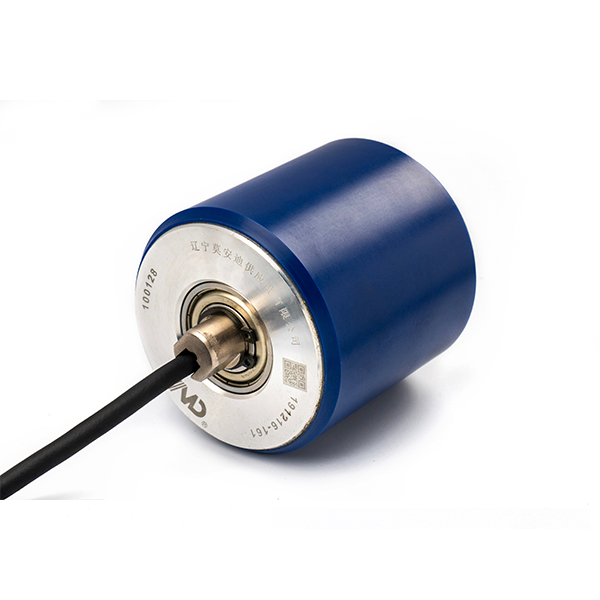
Motorized rollers have become essential in modern logistics and material handling. They offer unique features that enhance efficiency, reduce costs, and improve overall performance. Let’s break down some of the key features that make motorized rollers a smart choice for businesses.
One of the standout benefits of motorized rollers is their energy efficiency. These systems are designed to minimize power consumption, which can lead to significant savings over time.
● Energy-Saving Features: Many motorized rollers, like M&D's new power rollers, utilize advanced motor technology that allows them to operate only when needed. This means they consume less energy compared to traditional systems.
● Impressive Savings: M&D's power rollers can save between 60% to 65% energy when compared to non-motorized systems. This not only reduces operational costs but also supports sustainability initiatives.
Here’s a quick comparison:
Feature | Motorized Rollers | Non-Motorized Systems |
Energy Consumption | Low | High |
Operational Cost Savings | Significant (up to 65%) | Minimal |
Environmental Impact | Positive | Negative |
Motorized rollers are highly customizable, catering to various industry needs. This flexibility allows businesses to tailor solutions that fit their specific applications.
● Personalized Solutions: M&D offers a range of customization options, from roller diameter to motor specifications. This ensures that each system can be optimized for the intended use.
● Versatile Applications: Whether it’s for heavy-duty manufacturing or lightweight packaging, motorized rollers can be designed to handle diverse materials and workflows.
Precision control is another critical feature of motorized rollers. It plays a vital role in enhancing operational efficiency and ensuring smooth material handling.
● Importance of Servo Control: Many motorized rollers utilize advanced servo motors, which provide precise speed and torque control. This leads to smoother operations and reduces the risk of product damage during transport.
● Impact on Material Handling: With precise control, businesses can achieve better accuracy in positioning and movement. This is particularly beneficial in applications where timing and speed are crucial.
To illustrate the impact of precision control, consider the following benefits:
Benefit | Description |
Improved Accuracy | Reduces errors in material handling |
Enhanced Responsiveness | Quick adjustments to speed and direction |
Decreased Downtime | Fewer interruptions in workflow |
Motorized rollers are an innovative solution that combines energy efficiency, customizability, and precision control. These features not only help businesses save money but also improve their overall operations. By investing in motorized rollers, companies can streamline their processes and enhance their productivity.
Motorized rollers are fascinating components of modern material handling systems. Understanding how they work can help you appreciate their efficiency and effectiveness. Let’s take a closer look at their internal mechanisms and how power is transmitted throughout the system.
At the core of motorized rollers lies a sophisticated internal mechanism. This is where the magic happens.
● Motor Integration: Each motorized roller houses a motor, typically a brushless or servo motor. These motors are compact yet powerful, designed to generate the rotational force needed to drive the roller.
● Rotational Force Generation:
○ Brushless Motors: These motors provide high efficiency and longevity. They use electronic controllers to manage speed and torque, resulting in smooth operation.
○ Servo Motors: Known for their precision, servo motors allow for fine adjustments in speed and position. This is crucial in applications requiring exact placement of materials.
The combination of these motors within the roller allows for seamless movement and control. Here’s a simple illustration of how the internal components work together:
+-------------------------------------+
| Motorized Roller |
| |
| +-------------------------------+ |
| | Brushless/Servo Motor | |
| +-------------------------------+ |
| | Gear System (if needed) | |
| +-------------------------------+ |
| | Roller Shell | |
| +-------------------------------+ |
+-------------------------------------+
Once the motor generates rotational force, the next step is transmitting this power effectively to other rollers in the system.
● Transmission Methods: M&D utilizes various methods to ensure efficient power transmission. Here are the most common:
○ O-Rings: These are flexible belts that connect rollers. They allow for smooth transfer of power and reduce slippage, ensuring consistent speed across the system.
○ Poly-V Belts: These belts offer high grip and flexibility, making them ideal for applications requiring high torque. They minimize wear and provide reliable performance.
● Benefits of Effective Power Transmission:
○ Ensures all rollers operate in sync, enhancing overall system efficiency.
○ Reduces energy loss, making the system more sustainable.
○ Minimizes maintenance needs by using durable materials.
Here’s a comparison of the two transmission methods:
Transmission Method | Advantages | Ideal Use Cases |
O-Rings | Flexible, low slippage | General applications |
Poly-V Belts | High grip, supports high torque | Heavy-duty operations |
Motorized rollers are designed to optimize the movement of goods in various settings. By understanding their internal mechanisms and power transmission methods, you can see why they are a preferred choice in material handling. Their efficiency, combined with M&D's innovative designs, makes them a vital asset in modern logistics.
Motorized rollers are transforming the way businesses handle materials. They come with a variety of advantages that enhance efficiency and reduce costs. Let’s explore some of the key benefits of using motorized rollers in your operations.
One significant advantage of motorized rollers is their low maintenance requirements. The design minimizes wear and tear, which translates into lower operational costs.
● Robust Construction: M&D's motorized rollers are built to last. Their durable materials and construction methods ensure longevity, reducing the need for frequent repairs.
● Fewer Moving Parts: Unlike traditional systems, which often rely on multiple components, motorized rollers have fewer moving parts. This simplification leads to less friction and wear, extending the lifespan of the equipment.
● Cost Savings: With reduced maintenance needs, companies can save on both labor and replacement parts.
Here’s a quick overview of maintenance benefits:
Feature | Benefit |
Durable Materials | Longer lifespan |
Fewer Components | Less friction and wear |
Lower Maintenance Costs | Significant savings over time |
In today’s fast-paced logistics environment, space is a premium. Motorized rollers offer a compact design that maximizes available space.
● Self-Contained Design: M&D’s motorized rollers are designed to be compact, integrating the motor and roller into a single unit. This minimizes the footprint required for installation.
● Streamlined Layouts: By using less space, businesses can optimize their warehouse layouts. This allows for more efficient workflows and easier access to goods.
● Flexibility: The compact nature of these rollers means they can fit into tight spaces, making them ideal for various applications, from manufacturing to distribution.
Noise levels in a work environment can significantly impact employee productivity. Motorized rollers are designed to operate quietly, which is a notable advantage.
● Low-Noise Technology: M&D incorporates advanced engineering techniques to reduce noise levels. This makes their motorized rollers suitable for environments where noise reduction is critical, such as food processing or retail.
● Improved Work Environment: A quieter workspace leads to better concentration and productivity. Employees can focus on their tasks without the distraction of loud machinery.
● Compliance with Regulations: Many industries have noise regulations. By using low-noise motorized rollers, companies can ensure compliance while also creating a more pleasant work atmosphere.
Here’s a summary of the noise reduction benefits:
Feature | Benefit |
Low-Noise Operation | Enhanced employee productivity |
Improved Work Environment | Reduced distractions |
Regulatory Compliance | Meets industry noise standards |
Motorized rollers bring significant advantages to material handling operations. From reduced maintenance and space efficiency to quiet operation, these features contribute to a more streamlined and effective workflow. Investing in motorized rollers can lead to substantial long-term benefits for businesses across various industries.
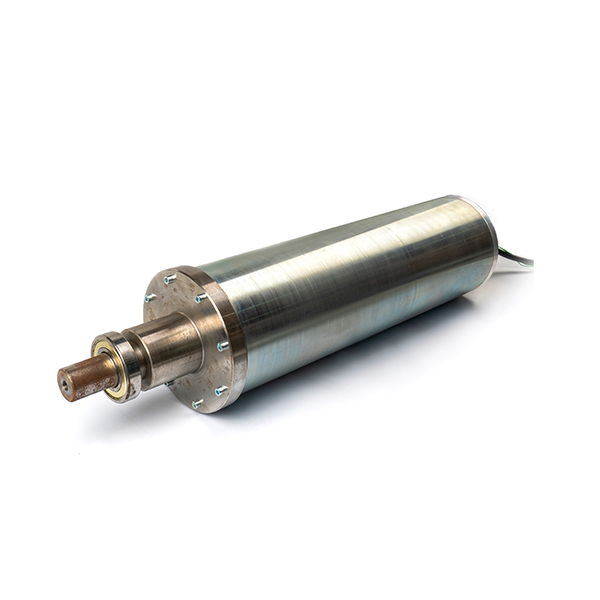
Motorized rollers are becoming essential across various industries due to their versatility and efficiency. Let’s explore how they are applied in logistics, food and beverage, and manufacturing sectors.
In logistics and warehousing, motorized rollers play a crucial role in optimizing operations. They are commonly used for sorting, transporting, and accumulating goods.
● Sorting Systems: Motorized rollers facilitate the quick and accurate sorting of packages. This is vital for companies like SF Holding and JD, which rely on efficient sorting to meet customer demands.
● Transportation: These rollers ensure smooth transportation of goods across different areas in a warehouse. Their ability to handle diverse loads makes them suitable for various applications.
● Accumulation: Motorized rollers can accumulate products in a controlled manner, allowing for better management of inventory. This feature helps prevent bottlenecks and ensures a steady flow of goods.
Here’s a quick overview of their logistics applications:
Application | Description |
Sorting | Quick and accurate sorting of packages |
Transportation | Smooth movement of goods within the warehouse |
Accumulation | Controlled accumulation to manage inventory flow |
The food and beverage industry has specific requirements for material handling, and motorized rollers meet these needs effectively.
● Hygienic Transport: M&D provides solutions designed for hygienic transport, ensuring compliance with health regulations. The rollers are easy to clean and resistant to contaminants.
● Temperature Control: In this sector, it’s crucial to maintain proper temperatures during transport. Motorized rollers can be integrated into systems that support temperature control, ensuring product quality.
● Versatile Applications: From transporting raw ingredients to finished products, motorized rollers are adaptable for various stages of production in the food industry.
Motorized rollers are integral to manufacturing processes, especially in assembly lines and automation.
● Assembly Lines: These rollers streamline the movement of components along assembly lines, enhancing production efficiency. They minimize manual handling, allowing for faster assembly times.
● Automation Integration: M&D’s motorized rollers can be easily integrated into automated systems, supporting advanced manufacturing techniques. This integration helps improve precision and reduce labor costs.
● Flexibility in Production: The adaptability of motorized rollers allows manufacturers to reconfigure their layouts as needed, accommodating changes in production demands.
Here’s a summary of their applications in manufacturing:
Application | Description |
Assembly Lines | Streamlined movement of components |
Automation Integration | Support for advanced manufacturing techniques |
Flexible Layouts | Adaptability to changing production demands |
Motorized rollers are transforming how industries operate by enhancing efficiency and flexibility. Their applications in logistics, food and beverage, and manufacturing highlight their importance in modern material handling. By investing in these systems, businesses can optimize their processes and stay competitive.
Understanding motorized rollers is essential for modern operations. They enhance efficiency in logistics and automation. By integrating these systems, businesses can streamline processes and reduce costs. Consider motorized rollers to improve your workflow and stay competitive in your industry.
A: Motorized rollers have built-in motors for driving loads, while traditional rollers rely on external power sources.
A: They streamline sorting, transportation, and accumulation, reducing manual handling and increasing speed.
A: Yes, motorized rollers can be tailored in size, speed, and design to meet specific operational needs.
A: Minimal maintenance is needed due to their robust design, but regular cleaning and inspections are recommended.


 English