
Views: 0 Author: Site Editor Publish Time: 2026-04-24 Origin: Site


Transforming standard conveyor systems into automated powerhouses starts with precise installation. Have you considered how one wrong bolt ruins your automation? Improper motorized roller setup leads to premature motor failure and safety hazards. This guide provides a step-by-step breakdown to ensure your installation is secure and optimized.
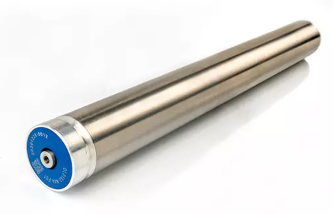
● Precision Alignment is Essential: Ensuring mounting frames are perfectly square prevents lateral stress and extends the lifespan of your motorized roller.
● Secure Fastening: Using high-torque techniques and calibrated tools prevents vibrations that lead to mechanical hardware failure.
● Safety Integration: Proper wiring of E-stop systems and circuit breakers is critical for protecting both the operator and the motorized roller.
● Performance Calibration: Fine-tuning VFD parameters and sensor logic optimizes energy efficiency and reduces internal gear wear.
● Proactive Maintenance: Monitoring thermal signatures and maintaining lubrication cycles prevents unexpected downtime in industrial environments.
Successful integration relies on mechanical precision. Even a slight deviation in the mounting angle can cause internal gears to bind, significantly shortening the lifespan of the equipment.
Before unboxing the hardware, verify that the mounting frames or brackets are perfectly square. Use a laser level to ensure both sides of the conveyor or window frame are parallel. Any structural skew creates lateral stress on the motorized roller, which leads to uneven wear on the bearings and the tube surface.
Correct orientation is critical for cable management and torque distribution. Identify the power output side (the motor head) and the dead end (the idler). Ensure the cable exit point faces away from moving parts or sharp edges that could abrade the insulation over time.
Use high-torque fastening techniques to secure the brackets. A motorized roller generates significant rotational force during startup, especially under full load. If the brackets aren't anchored firmly, the resulting vibration will loosen hardware and cause tracking issues.
Handle the unit with care to avoid damaging the internal wiring or the precision-machined shaft. Slide the motor head into its designated bracket first, ensuring the anti-rotation nut or "flats" on the shaft are fully seated. This prevents the motor from spinning within the bracket rather than turning the roller tube.
Once seated, use precision tools to confirm the motorized roller has adequate clearance from the frame. There should be no contact between the rotating tube and the stationary structure. Friction here acts as an unintended brake, forcing the motor to draw more current and potentially overheat.
Execute a "no-load" test run before applying any belts or curtains. Verify the rotation direction matches your control logic. Listen for abnormal vibrations or grinding sounds; these usually indicate a misalignment that occurred during the fastening phase.
A professional installation requires more than a standard toolbox. Specialized equipment ensures the motorized roller operates within its designed tolerances.
Standard wrenches often lack the precision needed for industrial setups. We recommend:
● Torque Drivers: For consistent pressure on terminal blocks and mounting screws.
● Leveling Lasers: To ensure long-run conveyor alignment.
● Snap Ring Pliers: Essential if your motorized roller uses external retaining rings for shaft security.
Industrial systems frequently utilize M12 connectors for quick and secure attachments. Ensure you have the correct wire gauge (typically 18–22 AWG for DC motors) to handle the peak amperage without voltage drops.
The motorized roller needs a "brain." This might be a simple remote receiver for blinds or a sophisticated PLC (Programmable Logic Controller) for B2B logistics. Ensure the control card is compatible with the motor's voltage and communication protocol (such as Modbus or EtherNet/IP).
Tool Category | Essential Item | Purpose |
Alignment | Laser Level | Prevents lateral bearing stress |
Electrical | Multimeter | Verifies voltage stability at the motor |
Fastening | Calibrated Torque Wrench | Prevents bracket loosening from vibration |
Safety and reliability are inseparable in electrical installations. A clean wiring job prevents short circuits and ensures the system responds correctly to emergency inputs.
Deciphering standard wiring colors is the first step. For DC motorized roller units, red and black usually represent power, while additional wires handle speed control (0-10V) or direction. Always refer to the specific schematic provided with the unit, as "standard" colors can vary between European and American manufacturers.
Wire the motorized roller into the broader facility safety circuit. This ensures that hitting a single E-Stop button cuts power to all rollers simultaneously, preventing "pile-ups" or injury during a jam.
Select thermal protection that matches the motor's full-load amps (FLA). If the motorized roller encounters a physical obstruction, the overload protector should trip before the motor windings burn out. This simple addition saves thousands in replacement costs.
Once the motorized roller is spinning, it must be tuned to the specific demands of your application.
For AC rollers, fine-tuning the VFD is essential. Set gradual ramp-up and ramp-down speeds (acceleration/deceleration). Soft starts reduce the mechanical shock on the internal gears, extending the life of the motorized roller significantly.
In a conveyor line, parallel rollers must move at identical speeds. Use a master-slave configuration in your controller logic so that if one motorized roller slows down due to load, the others adjust to prevent material buckling or jamming.
Install photo-eyes or proximity switches to trigger the motor only when necessary. This "run-on-demand" logic reduces energy consumption and minimizes the total hours of operation, effectively doubling the service life of the equipment.
Even with a careful setup, issues can arise. Knowing how to diagnose them quickly keeps downtime to a minimum.
If a belt or load "wanders" to one side, the motorized roller is likely not perpendicular to the frame. Adjust the mounting brackets in small increments. Often, a movement of just 1-2mm is enough to correct tracking.
Vibration is usually a symptom of loose hardware or internal gear interference. Check the mounting bolts first. If the noise persists, decouple the roller from the load; if it still vibrates, the internal motor might be misaligned from the factory or damaged during shipping.
If the motorized roller fails to respond, use a multimeter to check for power at the motor head. If power is present but there is no movement, inspect the control signal (PWM or 0-10V). Often, a loose ground wire is the culprit behind "intermittent" operation.
Symptom | Potential Cause | Solution |
High-pitched whining | Over-tensioned belt | Loosen tension to manufacturer specs |
Intermittent starts | Loose control wiring | Re-seat M12 connectors or terminal lugs |
Motor running hot | Continuous overload | Check for mechanical friction or reduce load |
A proactive approach ensures your motorized roller remains an asset rather than a liability.
While many modern rollers are "greased for life," external bearings and support idlers often require periodic lubrication. Check the integrity of the motorized roller shell for any signs of lagging wear or buildup that could cause imbalance.
Use an infrared thermometer to establish a "baseline" temperature during normal operation. If a motorized roller shows a 20% increase in temperature over time, it indicates internal friction or electrical strain. This allows for a planned replacement before a total failure stops production.
For rollers integrated into IoT or smart building systems, ensure the firmware is current. Updates often include improved torque management algorithms and better diagnostic reporting, which optimize the motorized roller's efficiency.
Choosing the right mounting style determines how easy it is to maintain or replace the unit in the future.
Internal motors (drum motors) save space and are protected from the environment, making them ideal for food grade or tight spaces. External motors, driven by chains, offer easier access for repairs but require more guarding and maintenance of the drive train.
Spring-loaded shafts allow for rapid installation. You can depress the shaft, slide the motorized roller into the frame, and let it "pop" into the hole.
Never "under-bracket" a high-torque motor. Light-duty kits might save money upfront but will flex under load, leading to the alignment issues mentioned earlier. Always match the bracket's material thickness to the peak torque rating of the motorized roller.
Success depends on precision leveling, secure wiring, and careful calibration. By following these steps, you ensure your dlmd motorized roller operates quietly and lasts for years. These high-performance rollers offer superior durability and seamless integration for any industrial setup. Always measure twice to protect your investment. Let our expert engineering guide your next automation project toward maximum efficiency.
A: Precise alignment prevents lateral stress, reducing noise and avoiding premature motorized roller failure.
A: Integrate the motorized roller into an E-stop circuit and use proper circuit breakers.
A: You need a laser level, torque wrench, and a multimeter for a professional motorized roller installation.
A: Vibration usually stems from loose mounting brackets or poor motorized roller shaft leveling.


 English