
Views: 0 Author: Site Editor Publish Time: 2026-07-03 Origin: Site


Upgrading industrial conveyor systems requires balancing throughput demands against daily maintenance realities. Facility floor space constraints often complicate these critical system upgrades. You need reliable drives to keep your production lines moving efficiently. Traditional external motor-and-chain setups create significant safety hazards on the floor. They generate excessive noise and cause frustrating maintenance downtime. Modern facilities demand smarter, internally driven material handling solutions.
The AC motorized roller serves as a foundational component in contemporary system design. It offers continuous duty capabilities alongside impressive environmental resilience. This guide examines where engineers deploy these rollers most effectively across different industries. You will learn how to properly evaluate them for your specific applications. This ensures they meet your exact operational parameters perfectly.
Legacy conveyor setups rely heavily on external alternating current motors. These traditional systems require complex power transmission methods. Engineers typically use heavy belts or steel chains to transfer power. These external components create persistent mechanical bottlenecks along the line. They present significant pinch-point safety hazards for floor workers. Maintenance teams spend countless hours lubricating chains and tensioning belts.
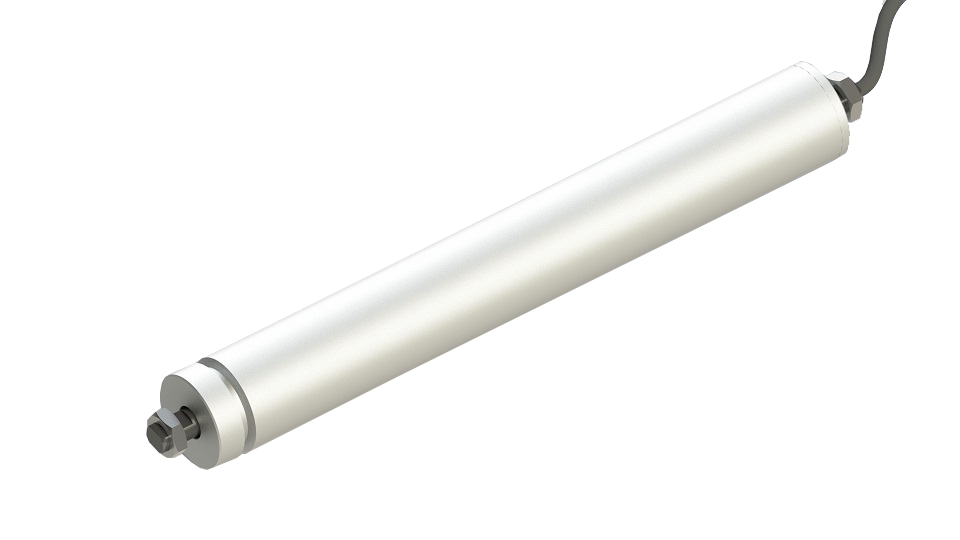
Enclosing the motor and gearbox inside the roller tube shifts the entire system architecture. You eliminate bulky external components completely. The roller shell acts as the motor housing itself. The stator remains fixed to the central shaft. The rotor spins the outer tube via an internal planetary gearbox. This clean design saves massive amounts of valuable floor space.
Understanding the performance gap between power types is crucial. Standard 24V direct current options excel in highly segmented systems. They handle start-stop Zero Pressure Accumulation perfectly. However, they lack the thermal mass for nonstop running. Continuous operation causes them to overheat and fail prematurely.
Internally driven alternating current units solve this exact problem. They provide high-torque output for continuous-run requirements. They operate nonstop without risking dangerous thermal overload. They dissipate heat effectively through the outer metal shell.
Automotive facilities and metalworking plants move extremely heavy payloads daily. Heavy appliance manufacturing also exceeds standard conveyor capacities. Engineers face unique challenges in these rigorous environments. You must move massive steel skids or raw materials continuously. The transport arteries often span long distances across the factory floor.
Standard external drives struggle under these massive static loads. An engine block demands incredible breakaway force to start moving. Internally driven units provide the immediate power required for these tasks. They act as robust primary drives for heavy-duty zones.
We evaluate performance using specific mechanical metrics in heavy assembly. These units must meet stringent operational demands.
Eliminating system dead zones is a primary operational outcome. A single central motor failure shuts down an entire traditional line. Modular internal drives distribute the power across multiple zones. If one unit fails, the rest of the line continues operating. You avoid catastrophic line-down events completely.
Best Practice: Always specify steel-geared internal units for metalworking applications. Polymer gears will shatter under heavy shock loads.
High-volume fulfillment centers require incredibly reliable main transport arteries. Millions of parcels travel along these main lines daily. The system must sort them before diverting them to segmented packing stations. Any delay on the main artery causes massive downstream disruptions. Facility managers rely on robust drive technology to prevent these jams.
A motorized roller serves as the ideal primary drive unit here. You will frequently see them powering long runs of belt-under-roller conveyors. They also drive direct friction-roller sortation systems perfectly. Their continuous duty rating handles the nonstop volume effortlessly.
Integrating these units with system logic maximizes their efficiency. You pair the drives directly with Variable Frequency Drives. This combination matches variable line speeds based on downstream accumulation sensors. If a packing station backs up, the sensors detect the overflow. The drive automatically slows the main line to prevent parcel crushing.
This dynamic integration creates a perfectly balanced operational outcome. You achieve consistent parcel spacing regardless of volume fluctuations. The system automatically reduces energy draw during low-volume periods. You also guarantee smoother transitions between high-speed lines and slower spur lines.
Common Mistake: Failing to tune the deceleration ramps on the VFD. Abrupt stops cause parcels to slide and lose their tracked position.
Meat, poultry, and dairy facilities face incredibly strict hygiene regulations. Pharmaceutical plants also operate under severe FDA and USDA compliance rules. Sanitation teams use high-pressure, high-temperature chemicals daily. Standard conveyor components rust and fail in these brutal environments.
Engineers deploy stainless steel internally driven rollers to solve this. They operate flawlessly in wet, corrosive, and high-pressure washdown zones. Removing external motors eliminates dangerous harborage points for deadly bacteria. Exposed chains and sprockets trap raw food particles easily. A smooth stainless steel tube leaves nowhere for pathogens to hide.
Design imperatives dictate the survival of the equipment. A brushless design ensures no internal wear parts generate carbon debris. High Ingress Protection sealing is absolutely mandatory for these units.
| Protection Rating | Environmental Defense Level | Typical Application Zone |
|---|---|---|
| IP66 | Protects against heavy water jets from any direction. | General packaging areas with light splashing. |
| IP67 | Protects against complete temporary liquid immersion. | Poultry cutting lines requiring foam cleaning. |
| IP69K | Defends against high-pressure, high-temperature chemical steam. | Raw meat processing and extreme sanitary zones. |
Maintaining continuous audit compliance becomes much easier. You eliminate the contamination risks associated with leaking external gear oil. The equipment survives rigorous daily sanitation shifts without electrical shorts. Your facility maintains its critical food safety certifications.
Creating a framework for shortlisting prevents costly engineering mistakes. You want to avoid under-specifying a drive for a heavy load. You also want to avoid over-engineering a simple transport zone. Proper specification requires analyzing precise mechanical and electrical data.
Load and speed calculations form the foundation of your decision. You must align the motor wattage with the required tangential force. You also must match the internal gear ratios to your desired surface speed. Guessing these values leads to stalled lines or burned-out stators.
Environmental profiling determines the physical construction of the unit. You must select the correct tube material based on facility realities. Standard carbon steel works for dry warehouse environments. Galvanized steel provides moderate resistance to ambient moisture. Stainless steel remains mandatory for corrosive or sanitary applications.
Electrical infrastructure availability dictates your control architecture. Assess your facility voltage carefully before ordering components. Determine if you have 1-phase or 3-phase power readily available. Verify that your control panels support the necessary VFD compatibility protocols.
Always perform an evidence-oriented check on the equipment. Request empirical Mean Time Between Failures data from the manufacturer. Do not rely on generic marketing claims for critical infrastructure. Demand to see actual thermal performance charts under continuous load conditions.
Adopting new internal drive technology carries specific installation risks. Precise mechanical alignment during installation is absolutely critical. A misaligned conveyor frame causes severe operational problems immediately. It forces the drive shaft into an unnatural angle. This causes premature bearing wear even on premium industrial rollers. The internal motor will draw excessive current trying to overcome the binding.
Retrofitting these units into older systems presents unique engineering challenges. You cannot simply drop a new drive into a legacy gravity frame. You must verify the hex shaft dimensions match your existing mounting brackets. The frame width must accommodate the new rigid dimensions perfectly.
Electrical integration requires updating your existing control panels. You must design new wiring schematics to support the internal drives. Integrating modern variable frequency drives into legacy PLC cabinets takes careful planning. Older programmable logic controllers often lack modern communication protocols. You may need specialized gateway modules to establish reliable system communication.
Best Practice: Always use a laser alignment tool when installing the frame cross-members. A perfectly square frame extends the lifespan of internal bearings significantly.
Internally driven alternating current rollers transform traditional conveyor lines completely. They transition legacy material handling setups into streamlined, highly reliable assets. You remove bulky, dangerous external components from the factory floor. This modular approach ensures individual component failures never stop the entire production line.
Their deployment aligns strategically with modern industrial operational goals. Heavy manufacturing plants gain the massive torque required for continuous movement. Warehouses achieve perfectly balanced, high-speed parcel sortation. Food processing facilities maintain strict hygiene compliance in extreme washdown environments. These drives solve specific bottlenecks related to space constraints and mechanical safety.
Facility managers should take immediate action to upgrade their lines. Conduct a comprehensive load analysis of your current material handling system. Document your heaviest payloads and your continuous duty cycle requirements. Consult directly with an integration specialist to review your data. They will help you specify the exact torque and IP ratings required.
A: Alternating current units are engineered for continuous duty and high torque applications. They run nonstop without suffering thermal overload. Direct current units are designed for intermittent start-stop cycles. They handle highly segmented Zero Pressure Accumulation logic but overheat during continuous runs.
A: Yes, but it requires careful mechanical and electrical planning. You must verify the physical frame width and hex shaft dimensions match. You also need to update your electrical controls and install compatible Variable Frequency Drives in your panels.
A: Lifespan depends heavily on duty cycle and proper alignment. Properly specified units with internal oil-bath gearboxes and brushless designs yield excellent longevity. They often run for tens of thousands of hours if the frame remains perfectly square.
A: No. Most industrial units are completely sealed-for-life components. They require zero internal lubrication or gear maintenance. This design shifts your maintenance focus entirely to simple external visual inspections and keeping the tube surface clean.


 English