
Views: 0 Author: Site Editor Publish Time: 2026-07-14 Origin: Site


Legacy conveyor systems rely heavily on central drives, complex belting, and pneumatics. These aging architectures create critical single points of failure across your warehouse floor. They constantly waste enormous amounts of energy. They also severely restrict your layout flexibility during critical peak seasons. Today, modern material handling demands exceptional modularity and strict energy efficiency. Facilities are rapidly transitioning away from traditional continuous-run systems. They are moving toward intelligent, decentralized drive technologies. You need robust components built to adapt instantly to fluctuating operational demands. This article defines the fundamental mechanics of the modern drive unit. We objectively evaluate its direct impact on your facility's throughput and overall line efficiency. You will learn how these intelligent components effectively replace outdated mechanical links. Finally, we provide a clear, step-by-step evaluation framework. You can use it to determine if this decentralized architecture is the precise operational fit for your upcoming material handling upgrade.
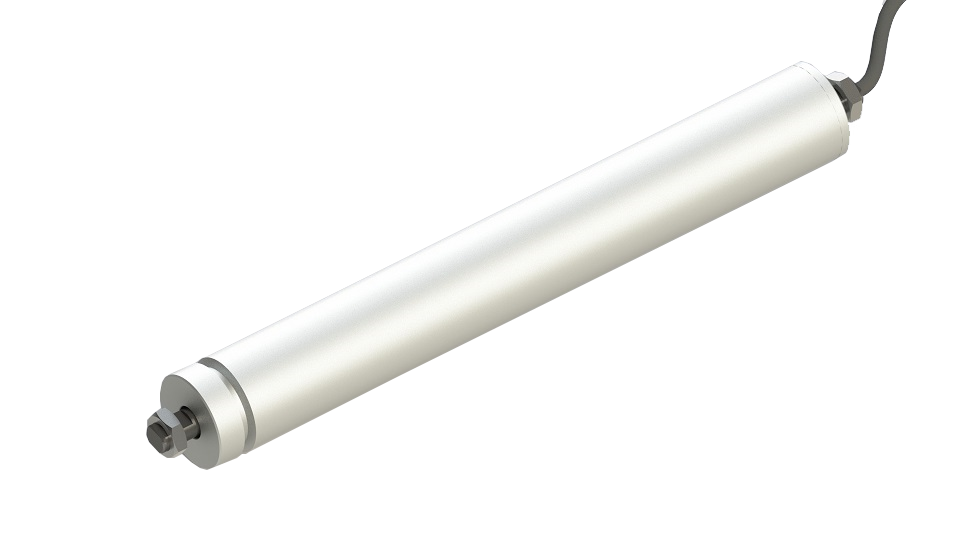
Inside the sleek outer steel tube, you will find a highly engineered internal ecosystem. It cleverly houses a compact brushless DC motor. It also contains a precision planetary gearbox, a dedicated control circuit, and durable internal bearings. This encapsulated design completely protects sensitive electronic parts from harsh external dust, moisture, and accidental impact. The brushless motor design ensures exceptional longevity because it lacks physical brushes. Traditional physical brushes normally wear down over time and create unwanted, damaging internal heat.
We must strongly contrast this decentralized power approach with standard legacy systems. Older continuous-run lines typically use one massive central AC motor. This single motor blindly pulls a heavy, long belt or a continuously moving chain across hundreds of feet. We take a distinctly different, highly modular approach today. A single motorized roller functions as the intelligent master drive for a specific, small logistical "zone." It links mechanically to several adjacent unpowered idler rollers. It uses simple urethane O-rings or durable poly-V belts to transfer rotational motion efficiently to the entire local zone.
By adopting this highly decentralized mechanical method, you entirely eliminate your facility's dependency on central compressed air systems. Pneumatic stopping cylinders often leak invisibly over time. They require constant, tedious maintenance from your busy facility engineering team. Removing pneumatics entirely creates an immediate, noticeable reduction in mechanical complexity. It drastically cuts down your ongoing facility infrastructure costs. Your material handling operation becomes completely electric. You gain superior, granular control over every individual foot of your automated handling line.
Equipping a new handling line with dozens of individual motorized rollers and localized control cards undeniably carries a higher initial hardware cost. Buying one large central AC motor and a very long rubber belt often seems cheaper upfront during procurement. However, you justify this initial capital expenditure (CAPEX) through significantly reduced long-term operational expenditures (OPEX). You also gain massive, verifiable energy savings over the system's active operational lifespan. You fundamentally stop paying high utility rates just to move empty conveyor belts continuously.
Maximizing these tremendous operational benefits strictly requires proper programmable logic controller (PLC) integration. You must properly implement localized control cards and highly robust sensor networks. This is never just a simple, unguided mechanical retrofit. You are essentially installing an intelligent electrical IT network alongside your physical material handling hardware. Your engineering team needs to plan network drops, communication cables, and local DC power supply placements meticulously. Engineers must map the logical automation zones carefully. They ensure the main control software knows exactly how to route packages flawlessly through complex warehouse divert areas.
We must maintain strict objective credibility regarding technical operational capabilities. Standard decentralized DC units are highly ideal for plastic picking totes, shipping cartons, and standard lightweight warehouse pallets. However, they may not suit extreme heavy-duty bulk handling environments. Moving raw, abrasive mining materials, massive steel coils, or jagged heavy loose parts requires highly specialized mechanical engineering. These extreme heavy industrial applications usually fall outside typical decentralized DC setup parameters.
Your upgraded facility will undergo a fundamental, permanent maintenance culture shift. Operations teams move rapidly away from traditional, messy mechanical upkeep. You permanently stop constantly lubricating rusty drive chains or tensioning stretched, squeaky belts. Instead, your team pivots sharply to electrical and digital diagnostic maintenance. Technicians spend their valuable time smartly troubleshooting networked control cards. They use digital multimeters and diagnostic laptops instead of messy grease guns and large industrial wrenches.
Consider these fundamental implementation realities before upgrading:
Selecting the correct DC drive components requires a methodical, engineering-first approach. You cannot simply guess specifications or match physical dimensions alone. We strongly recommend following these distinct technical evaluation parameters to ensure operational success.
You must rigorously match the roller's internal planetary gearbox ratio to your facility’s required physical throughput. We measure this throughput in feet per minute (FPM). Additionally, you must verify the maximum static weight capacity of each specific moving zone. A high-speed internal gearbox delivers excellent FPM but significantly sacrifices crucial starting torque. Conversely, a high-torque gearbox moves heavy pallets effortlessly but runs significantly slower. You must strike the perfect mechanical balance for your specific daily payload. We strongly recommend physically testing your heaviest operational carton on a prototype zone first.
You must know exactly when to specify a standard 24V system versus a modern 48V system. A 24V architecture works perfectly for standard, lightweight e-commerce packaging lines. Conversely, you should strategically select an efficient 48V system for heavier continuous loads or full standard pallets. The 48V option experiences significantly less electrical voltage drop across exceptionally long conveyor runs. It allows you to place bulky power supplies much further apart, saving significant installation time and expensive copper wiring costs.
You must specify durable stainless steel construction and strict ingress protection (IP) ratings when legally necessary. Standard indoor climate-controlled warehouses typically require standard IP54 ratings to block common airborne dust. However, food and beverage processing centers demand strict IP66 or higher ratings. These robust ratings ensure the sensitive internal electronics survive daily high-pressure chemical washdowns. They remain absolutely crucial for deep cold storage or strict pharmaceutical compliance standards.
Ensure the specific hardware vendor's specialized control cards integrate seamlessly. They must communicate clearly and rapidly with your facility's existing warehouse control system (WCS). You must definitively validate compatibility with your chosen standard industrial communication protocols. The most common modern protocols include EtherCAT, PROFINET, and Modbus TCP. Failing to verify this network compatibility deeply causes massive software integration delays during the final commissioning phase.
| Evaluation Criteria | Primary Engineering Consideration | Ideal Operational Scenario |
|---|---|---|
| Speed & Torque Ratio | Matching internal gearbox output to maximum load mass | Moving heavy pallets versus rapidly sorting lightweight totes |
| Operating Voltage Level | Choosing 24V DC vs. 48V DC power distribution network | Deploying 48V for long lines to minimize severe voltage drop |
| IP / Washdown Rating | Preventing liquid or fine dust ingress damage | Selecting IP66+ for food-grade, sanitary chemical cleaning areas |
| Protocol Compatibility | Matching EtherNet/IP, PROFINET, or EtherCAT standards | Ensuring seamless integration into existing central PLC networks |
A modern decentralized drive unit is not merely a simple mechanical hardware component. It represents a fundamental, permanent architectural shift toward truly intelligent, modular material handling. We see traditional continuous-run systems slowly phasing out of modern distribution centers globally. Facilities now strictly demand equipment built for absolute modular flexibility and minimal daily energy waste.
We advise engineering and operations teams to meticulously audit their current electrical energy expenditures first. You should track your daily jam-related downtimes accurately over a full operational month. Use this objective data to build a compelling internal return on investment model for your executives. Once you truly understand your hidden mechanical friction losses, the decision becomes incredibly clear. Reach out to certified integration specialists for an in-depth engineering consultation today. Request a comprehensive technical spec sheet to begin formally planning your decentralized system upgrade.
A: Yes, but it requires highly careful upfront planning. You generally replace entire straight drive sections rather than attempting a piecemeal mechanical swap. You must also route new low-voltage DC wiring and install decentralized control cards alongside your existing steel mechanical frames.
A: Their Mean Time Between Failures (MTBF) rating is remarkably excellent. It typically rates easily in the tens of thousands of operational hours. However, this impressive lifespan remains highly contingent on strictly adhering to stated payload limits and managing the continuous duty cycle properly.
A: No, they completely eliminate the need for centralized compressed air. They transition your entire handling line to a highly efficient all-electric operation. This directly removes the complex mechanical maintenance and persistent energy waste strongly associated with legacy pneumatic stopping cylinders.
A: They perform exceptionally well in freezing environments when specified correctly by engineering. Manufacturers supply them directly with specific low-temperature lubricants and specialized internal bearings. This carefully prevents the internal gearbox grease from thickening and stalling the DC motor in sub-zero applications.


 English