
Views: 0 Author: Site Editor Publish Time: 2026-07-13 Origin: Site


Traditional, monolithic AC conveyor systems once dominated the material handling industry. Today, they are rapidly stepping aside as modern warehouse logistics shift toward modular, decentralized designs. Facilities managing high-throughput fulfillment face mounting pressure to scale quickly and adapt to fluctuating daily demands. They also require robust solutions prioritizing strict energy conservation and noticeably lower ambient noise profiles on the warehouse floor. These intense operational pressures drive the widespread adoption of the DC motorized roller (MDR) across global distribution centers. This article objectively evaluates the core engineering outcomes of upgrading to these modern low-voltage systems. You will uncover specific operational limits and the true realities of implementing them on the active floor. We will guide you through the technical transition to 24V or 48V architectures and highlight what to watch out for during installation. By the end, you will understand how to completely optimize your material handling workflows.
Legacy material handling systems rely heavily on centralized AC motors. These massive power units drive extensive lengths of rubber belt or steel chain. They pull continuous, heavy electrical power from the grid regardless of actual product flow. This traditional architecture creates significant inefficiencies. A single AC motor must overcome the immense friction of the entire mechanical linkage just to move one small carton. Furthermore, these monolithic setups introduce a dangerous single point of failure. If the central drive motor overheats or a primary belt snaps, the entire conveyor line stops. Facility managers face massive bottlenecks during peak holiday seasons because they cannot bypass the dead zone.
Engineers solve this vulnerability using a completely decentralized concept. They place a highly efficient brushless motor and a planetary gearbox directly inside a hollow steel or aluminum tube. This self-contained unit becomes the driving force for a specific section of the conveyor. By housing the mechanical components internally, you eliminate external drive chains, bulky motor mounts, and exposed rotating shafts. The system isolates mechanical power exactly where you need it most.
This localized power delivery relies on zoned logic. You divide your extensive conveyor line into distinct, manageable zones. A localized controller card manages each zone independently. When a tote travels down the line, only the distinct zones directly beneath and immediately ahead of the tote activate. The rest of the mechanical line stays entirely dormant. This zoned logic radically transforms how fulfillment centers route goods. You isolate maintenance problems instantly. Maintenance crews can swap out a single faulty unit while the rest of the facility continues processing orders. You never shut down the entire warehouse for one jammed package.
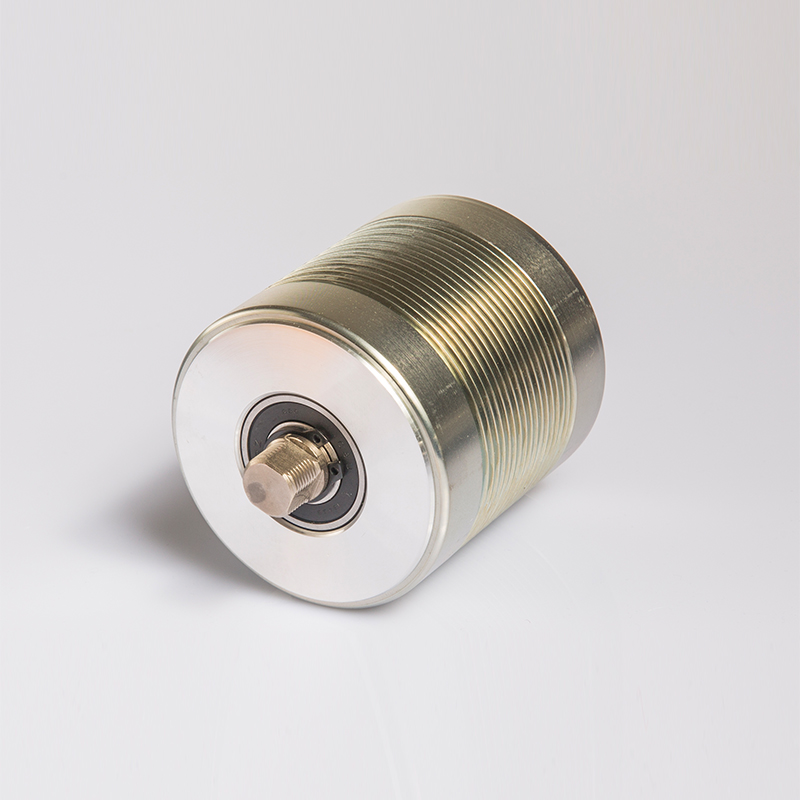
Energy usage drops dramatically when you transition from continuous operation to intelligent run-on-demand logic. A traditional AC motor runs constantly, consuming massive amounts of electricity even when the belt sits completely empty. Decentralized systems eliminate this persistent waste entirely. Because only active zones draw power, facilities often see their energy consumption plummet. This mathematical shift yields high returns on investment over a short period. The following table illustrates the operational differences driving these financial outcomes.
| Operational Metric | Legacy AC Conveyor Systems | Decentralized DC Systems |
|---|---|---|
| Power Draw State | Continuous (Always-On) | Run-on-Demand (Zoned) |
| Friction Loss | High (Long belts/chains) | Low (Direct internal drive) |
| Failure Impact | Whole line shuts down | Single zone isolated |
| Energy Efficiency | Poor during low volume | Highly optimized constantly |
Beyond simple energy savings, these units natively support Zero Pressure Accumulation (ZPA). Standard photo-eye sensors monitor the physical presence of packages. These sensors communicate directly to local control cards. The intelligent logic stops the internal motors before moving items can collide. This non-contact accumulation proves essential for handling fragile packaging or highly varied box sizes. A heavy wooden crate will never crash into a lightweight polybag. The built-in intelligence perfectly spaces products for downstream barcode scanners and automated sortation shoes.
Worker safety and facility ergonomics also improve drastically. Standard metal-on-metal chain drives generate severe acoustic pollution. Decentralized systems rely on elastomeric drive bands or direct internal linkages. They keep ambient noise levels well below the standard 85 dBA OSHA thresholds. This reduction often eliminates the need for mandatory hearing conservation programs. Furthermore, low-voltage DC setups present minimal electrical shock risks. Heavy AC drives create dangerous high-torque pinch points capable of causing severe injuries. Standalone rollers lack this extreme, unstoppable torque. They stall safely if a worker’s hand or clothing accidentally catches the rotating tube, preventing catastrophic workplace accidents.
You must understand exactly where this technology excels and where it hits its physical limits. Ideal use cases include standard corrugated cartons, flexible polybags, and rigid plastic totes. High-speed sortation applications rely heavily on this localized technology. Facilities prioritizing gentle accumulation and precise routing find these systems indispensable. E-commerce fulfillment centers utilizing varied packaging types benefit immensely from the adaptive zone controls.
However, you must apply a skeptic's lens to certain operational environments. Payload thresholds represent a hard engineering limit. A single internally geared tube can only generate a specific amount of rotational torque. While specialized heavy-duty versions do exist, extremely heavy pallet handling usually falls outside their safe operating parameters. Highly abrasive environments or facilities handling massive steel automotive parts may still favor traditional chain-driven live rollers (CDLR). You must evaluate your expected load profiles honestly before committing to a decentralized upgrade.
Environmental constraints also dictate your technology choices. Standard commercial units will fail rapidly in extreme cold storage applications. Condensation and sub-zero temperatures freeze internal lubricants and destroy standard circuitry. Washdown environments in food processing pose similar threats due to high-pressure chemical sprays. To survive these harsh zones, you must specify IP-rated sealed variants. You need IP65 or IP67 ratings to prevent destructive water and dust ingress.
When specifying a motorized roller architecture for your facility, you must evaluate five specific technical dimensions. Rushing this selection process often leads to underperforming zones and costly electrical rework.
Moving away from legacy designs introduces specific rollout realities. The upfront per-foot hardware costs for localized systems often exceed those of basic legacy belt conveyors. You must accept this initial capital paradigm. However, you quickly amortize this expense against massive energy reductions and nearly eliminated maintenance downtime. You must budget strictly for the initial hardware and control card layout, knowing the operational returns validate the expenditure.
Your existing maintenance staff will face a steep learning curve. Mechanical installation feels physically easier because the components weigh less. However, your technicians must now learn to diagnose low-voltage electrical networks. They transition from swinging wrenches to troubleshooting IP address faults and sensor misalignments. They must understand subnet masks and discrete logic flags. This operational shift requires specialized training. You cannot expect a mechanic used to swapping massive gearmotors to instantly grasp decentralized network topologies without support.
Commissioning delays routinely destroy project schedules if you ignore network preparation. Emphasize the importance of mapping IP addresses flawlessly before touching a single wrench. Engineers should configure the zone logic on a quiet test bench. Pre-addressing the controller cards prevents costly delays on the active floor. If you attempt to assign network protocols while standing over a dusty conveyor frame, you will experience frustrating integration bottlenecks.
The transition from AC systems to decentralized drives represents a fundamental shift in material handling philosophy. We are moving away from brute-force mechanical power toward intelligent, software-driven product flow. This evolution delivers unparalleled energy efficiency, protects fragile goods through non-contact accumulation, and creates a vastly safer working environment for your warehouse staff.
Before initiating a full facility upgrade, build a strict decision matrix. Audit your average carton weights, measure your required throughput peaks, and analyze your current electrical expenditures. Understand exactly where localized drives excel and where heavy pallets still require traditional chain solutions.
Do not attempt a massive overhaul blindly. Engage an experienced systems integrator to execute a small pilot zone test. Request a thorough engineering review of your current line bottlenecks. By validating the technology on a small scale, you guarantee a seamless, highly profitable facility-wide rollout.
A: A standard unit typically lasts between 20,000 and 30,000 run-hours. Because they utilize run-on-demand logic, they only spin when actively moving a product. This operational style extends their calendar lifespan significantly compared to legacy continuous drives, often lasting five to seven years in standard fulfillment environments.
A: Yes, retrofitting is common, but you must verify structural requirements. The frame must have compatible hex-hole spacing to secure the shafts. Additionally, you must have adequate physical space beneath the side channels to securely mount the required 24V/48V power supplies and the zoned control cards.
A: The system handles varied weights using integrated sensor logic and dynamic braking. Photo-eye sensors track package positions, enabling Zero Pressure Accumulation (ZPA). The controllers physically stop the rollers holding heavier cartons, ensuring they never crash into or crush lighter polybags sitting in downstream zones.


 English