
Views: 0 Author: Site Editor Publish Time: 2026-07-19 Origin: Site


Selecting the right drive technology dictates your automated sorting system capabilities. It directly determines throughput limits, maintenance overhead schedules, and the operational lifespan of modern logistics facilities. As global e-commerce and airport baggage handling scale rapidly, traditional rotary motors and friction-belt drives frequently reach their physical mechanical limits. You quickly notice these limits when sorting accuracy drops or sudden maintenance downtime spikes. Because of these critical operational challenges, direct-drive technology has confidently become the industry standard for high-speed cross-belt sorters. This guide breaks down the essential technical criteria and integration requirements you need to know today. We clearly outline the specific risk factors engineering and procurement teams must evaluate before making a final vendor decision. You will learn exactly how to specify a linear motor that delivers verifiable system performance, handles aggressive daily load profiles, and ensures long-term operational success without costly disruptions.
Assess your current system limitations before exploring new technologies. Friction drive wear consistently causes slip-induced sorting inaccuracies across large facilities. It also leads to frustratingly high maintenance downtime during peak holiday seasons. Teams must identify these specific operational bottlenecks before planning an upgrade. Rotary motors naturally degrade under constant high-speed cycling. Rubber belts stretch over time, and mechanical pulleys eventually wear out. This steady mechanical degradation directly hurts your daily throughput metrics. Facility managers often spend thousands of hours manually adjusting tensioners. By recognizing these friction-based flaws, you build a strong case for direct drive modernization.
Establish clear, measurable success criteria next. Define the specific business outcomes you require from the proposed equipment upgrade. Target a precise Items-Per-Hour (IPH) metric based on peak demand forecasts. Enforce strict noise reduction mandates across the facility. Low noise is especially crucial for modern airport baggage handling environments where strict worker safety regulations apply. Finally, calculate your required Mean Time Between Failures (MTBF). You absolutely need concrete data to justify moving to a modern linear motors setup. Vague operational goals frequently lead to poor procurement decisions.
Evaluate operational feasibility based purely on performance needs. Direct drive solutions fit best in high-throughput, high-precision environments. They shine brightly where mechanical downtime causes severe financial losses. If your sorting facility processes millions of parcels monthly, the premium technology investment makes logical sense. The dramatic reliability upgrades easily offset the logistical nightmare of mechanical failures. Smaller operations processing low volume might not immediately need this advanced technology. However, enterprise-level sorting hubs cannot survive without it.
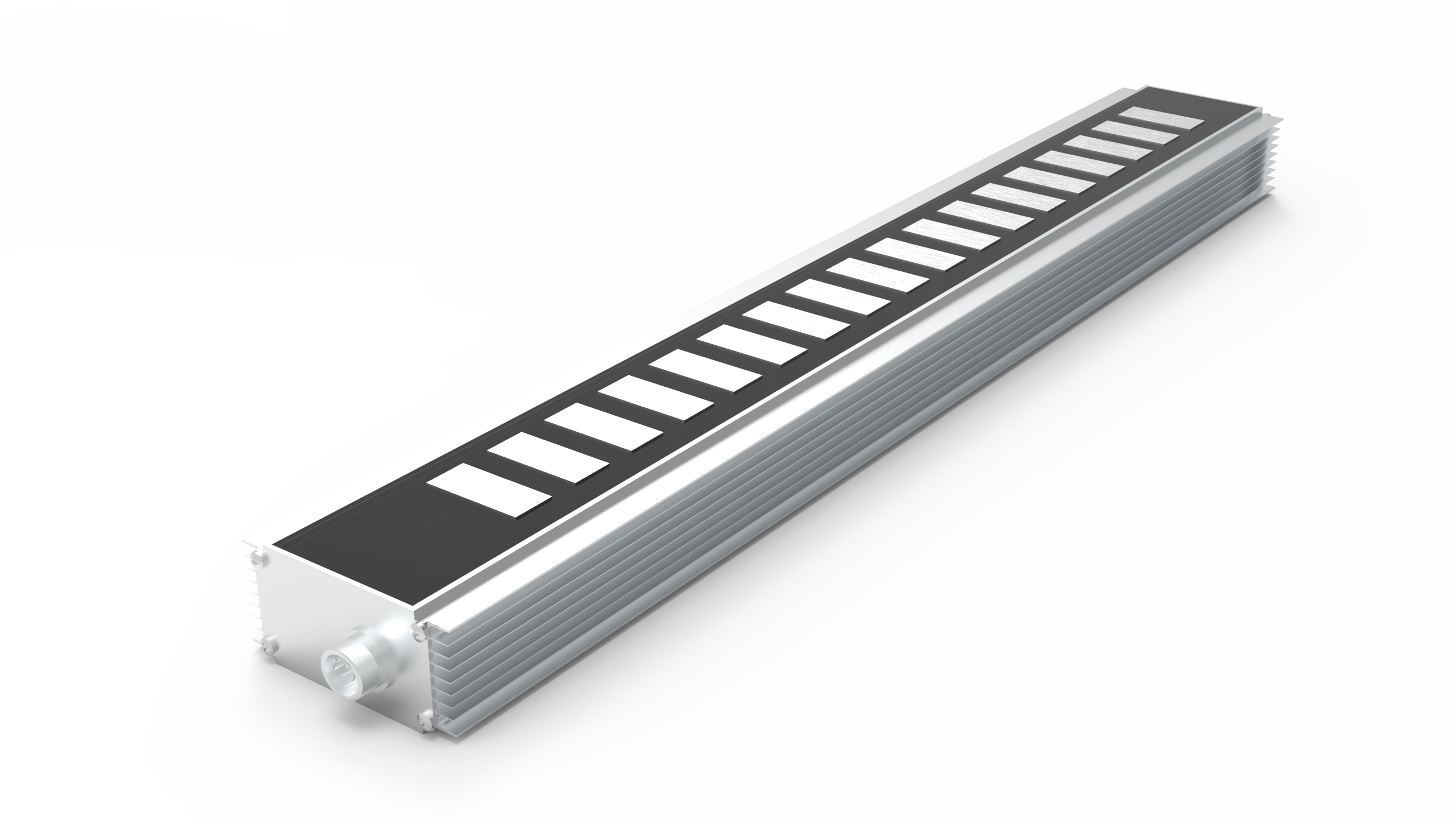
Peak thrust differs significantly from continuous thrust ratings. Calculate your required forces based on maximum parcel or baggage weight. Factor in the baseline carrier mass as well. You need aggressive acceleration profiles to reach demanding IPH targets. However, pushing the system too hard can quickly trigger thermal overload. You must map these dynamic loads carefully across the entire sorting loop. A motor might handle average parcels easily but fail dynamically during heavy bursts.
Evaluate the inherent force ripple and cogging characteristics. Cogging force heavily impacts the smooth tracking of cross-belt carriers. Smooth, predictable positioning is essential for accurate item discharge into individual chutes. High cogging forces can cause erratic, jerky movements along the track. This disrupts precise parcel placement and ruins your overall sorting accuracy. Always review the specific force ripple metrics when analyzing technical motor specifications. Lower ripple ensures the gentle handling of fragile items.
Heat dissipation remains a critical engineering challenge. Enclosed structural tracks trap heat quickly during continuous operation. Analyze how the proposed drive system manages this trapped heat. Effective cooling prevents sudden performance drops during peak operating hours. You should aggressively demand thermal simulation data from all potential manufacturers. Passive aluminum heatsinks often work well, but dense track designs sometimes require forced air integration.
Continuous high-temperature operation introduces massive operational risks. It can cause irreversible demagnetization in the secondary magnetic plates. Once these magnets degrade, your system's thrust capacity drops permanently. You must prevent this chemical degradation through proactive thermal management protocols. Incorporate accurate temperature sensors to monitor the primary coils constantly. If the coils overheat, the system should automatically throttle down to protect the magnets.
Direct drives generate massive magnetic attraction forces natively. These forces act fiercely between the primary stator and the secondary rotor track. Ensure your conveyor chassis possesses superior structural rigidity. Weak metal frames will inevitably deflect under these constant attraction forces. Deflection ruins system alignment and quickly causes critical mechanical failures. You often need reinforced steel or heavy-duty extruded aluminum profiles to handle the load.
Air gap maintenance dictates your overall energy efficiency. Assess the exact required air gap distance specified by the vendor. Evaluate your system's ability to maintain it reliably over time. Sorting operations run continuously in high-vibration industrial realities. You must maintain this specific gap to avoid catastrophic physical collisions. Even a minor frame warp can cause the coils to scrape against the magnets.
Common mistakes in air gap management include:
Best practices for accurate load mapping:
Verify that primary drive units offer full integration compatibility. They must interface seamlessly with industry-standard integrated DC servo drives. They also need to connect flawlessly to centralized logistics PLCs. Proprietary closed ecosystems severely limit your future upgrade options. Choose open-standard communication protocols like EtherCAT, Ethernet/IP, or PROFINET. Open protocols ensure you can source replacement drives from multiple global vendors.
Evaluate the required resolution of your position feedback devices. Linear encoders or Hall-effect sensors must deliver absolute micro-second accuracy. This extreme accuracy guarantees rapid parcel induction and precise discharge timing. Poor feedback resolution causes missed sorting bins and damaged packages. It creates unacceptable jams in high-speed, high-density operations. Always match the encoder resolution to your strictest sorting tolerance requirement.
Check for specific regional regulatory compliance carefully. Ensure the components meet CE, UL, or strict airport security standards. Modularity is equally vital for your daily maintenance teams. Assess how easily individual motor modules can be hot-swapped online. Fast replacement during scheduled downtime prevents broader system bottlenecks. Look for plug-and-play connectors that eliminate complex field wiring tasks.
Control Interface and Feedback Comparison
| Feedback Type | Precision Level | Best Application Environment | Vibration Tolerance |
|---|---|---|---|
| Digital Hall Sensors | Moderate | Basic conveyor tracking and indexing | High |
| Optical Encoders | Very High | Micro-precision sorting cells | Low |
| Magnetic Encoders | High | Harsh, dusty industrial environments | Very High |
| Inductive Sensors | Low to Moderate | Proximity detection and safety end-stops | Extremely High |
Analyze detailed energy consumption metrics under various operating conditions. Scrutinize electrical efficiency during partial loads and peak full loads. Direct drive systems effectively reduce mechanical transmission loss entirely. However, they require constant electrical current to maintain dynamic tension. You must size your facility power supplies to handle these continuous current draws. Under-sizing the main power supply leads to unexpected system faults. Voltage drops during mass acceleration events can shut down the entire sorting loop.
Installation complexities introduce significant project execution risks. High-powered magnetic tracks demand careful, deliberate handling. Maintenance personnel require specialized technical training to install them safely. Without proper operating procedures, powerful magnets can easily crush fingers or damage nearby electronics. Establish strict safety protocols before beginning any installation phase. Treat every secondary magnet track as a permanently active energy source.
Always use specialized non-magnetic tooling during final assembly. Keep sensitive calibration equipment far away from the secondary tracks. Proper safety training ensures teams avoid injury and expensive equipment damage. Safety remains paramount when handling rare-earth magnetic arrays. Ensure your team wears proper protective gear, including heavy-duty impact gloves. Cordon off the installation area to prevent unauthorized personnel from interfering.
Facility power quality also poses an implementation risk. Massive banks of direct drives generate significant electrical noise. This harmonic distortion can severely interfere with sensitive logistics scanners and network switches. Install proper line filters and shielded cables to mitigate this noise. Grounding every single motor casing properly is a strict, non-negotiable installation requirement.
Look far beyond glossy marketing brochures and vendor claims. Assess the vendor's verifiable historical deployment in tier-one logistics systems. Verify their actual manufacturing capacity for large-scale enterprise rollouts. A vendor must confidently handle sudden spikes in production volume. Review their relevant patent portfolios regarding magnetic design or liquid cooling technologies. A deep patent portfolio usually indicates genuine engineering expertise rather than simple parts assembly.
Never procure at massive scale without a rigorous PoC. Require the vendor to simulate your exact operational load profile. They must replicate your ambient facility temperature and daily duty cycle. This simulation scientifically validates their continuous thrust and thermal stability claims. Real-world physical testing reveals hidden design flaws that spec sheets hide. Push the prototype system past its rated limits to observe actual failure modes.
Confirm global supply chain reliability and robust local support. Ensure the vendor guarantees immediate spare parts inventory in your specific region. Review the clear, written warranty terms regarding magnetic degradation over time. Strong technical support prevents minor mechanical issues from becoming prolonged facility shutdowns. Ask for reference contacts from similar automated sorting facilities. Speak directly to their maintenance managers about vendor responsiveness.
PoC Performance Metrics
| Evaluation Metric | Target Benchmark Standard | Critical Failure Indicator |
|---|---|---|
| Thermal Rise | Below 80°C at peak continuous load | Exceeds standard insulation class limits |
| Air Gap Variance | < 0.5mm fluctuation during operation | Physical contact or audible scraping |
| Thrust Delivery | Matches theoretical acceleration profile | Motor stalling during peak acceleration |
| Current Draw | Remains within rated amplifier limits | Tripping servo drive overcurrent alarms |
Conclusion
Transitioning to a direct drive system represents a highly significant structural commitment. Procurement officers and mechanical engineering teams must collaborate closely. You must actively look past baseline specifications and marketing sheets. Always scrutinize deep thermal performance, structural frame compatibility, and precise air gap maintenance. Focus intensely on how the equipment behaves under maximum stress rather than ideal conditions.
To ensure project success, follow these actionable next steps:
By prioritizing verifiable operational history over basic unit price, system integrators guarantee long-term reliability. You will successfully achieve the high throughput necessary for modern automated sorting operations.
A: Because they operate without mechanical contact between primary and secondary components, they easily exceed 10 to 15 years of operational life. You must respect thermal limits and strictly maintain structural air gaps to achieve this longevity. Proper maintenance focuses on electronic drive health rather than mechanical wear.
A: Even a single millimeter of deviation significantly reduces thrust output. It also drastically increases electrical power consumption. Maintaining a tight, consistent air gap is vital. It maximizes electrical-to-mechanical efficiency and completely prevents dangerous physical collisions between moving and stationary components.
A: While technically possible, retrofitting remains highly complex. You must rigorously reinforce the existing conveyor frame. It must safely handle extremely strong magnetic attraction forces. Additionally, the control architecture usually requires a complete overhaul to accommodate precision direct-drive positioning algorithms and advanced feedback sensors.


 English