
Views: 0 Author: Site Editor Publish Time: 2026-07-13 Origin: Site


Warehouse and fulfillment operators face immense operational pressure today. You must constantly reduce energy consumption, minimize facility noise, and adapt quickly to unpredictable throughput demands. Margins remain incredibly tight across the logistics industry, leaving little room for systemic waste.
Historically, facilities relied almost exclusively on continuous-run traditional conveyors to move products. These older systems utilize massive AC motors, complex pneumatic air networks, and long external drive belts. However, modern operations are rapidly shifting toward decentralized, run-on-demand architectures to stay competitive and agile.
This guide serves a very specific purpose. It provides a strictly comparative, metric-driven analysis between standard drive systems and the DC motorized roller. We will explore multiple dimensions of operational efficiency, from raw power draw to overall system uptime. You will learn exactly how to evaluate both technologies side-by-side and determine the absolute best fit for your facility layout.
Facility managers must first clearly define "efficiency" at the early decision stage. Many decision-makers look only at the raw electrical power consumed per hour. True operational efficiency encompasses much more granular data points. You must measure throughput capacity per watt consumed. You should also evaluate weekly maintenance hours required just to keep the line moving. Floor space utilization plays another major role in determining system value.
Legacy systems often hide massive inefficiencies from plain sight. They fall victim to the baseline trap of continuous operation. Large AC motors run constantly during shifts. They spin heavy belts even when zero products exist on the line. This creates a massive ghost energy drain on your utility bill. You pay for movement, but you get no actual product transfer in return.
A successful conveyor upgrade requires strict, measurable success criteria. Your new equipment must deliver provable improvements in total power draw. You should measure this reduction strictly in kW/h to justify capital expenditure. The upgrade must also drastically increase Mean Time Between Failures (MTBF). Finally, it needs to offer high modular adaptability to accommodate future facility expansions seamlessly.
Standard centralized AC motors define legacy conveyor architecture globally. They drive long sections of equipment using external rubber belts, heavy metal chains, or spinning line shafts. These older systems often rely heavily on complex pneumatics. Actuators push mechanical zones up and down to control physical product accumulation.
These robust setups still succeed in specific industrial environments. They offer proven, undeniable effectiveness for extreme high-torque applications. Industrial facilities use them daily to move massive bulk loads continuously over long distances. Mining operations, raw agriculture sorting, and heavy parts manufacturing rely entirely on this brute force capability.
However, severe efficiency bottlenecks exist inherently within this design architecture.
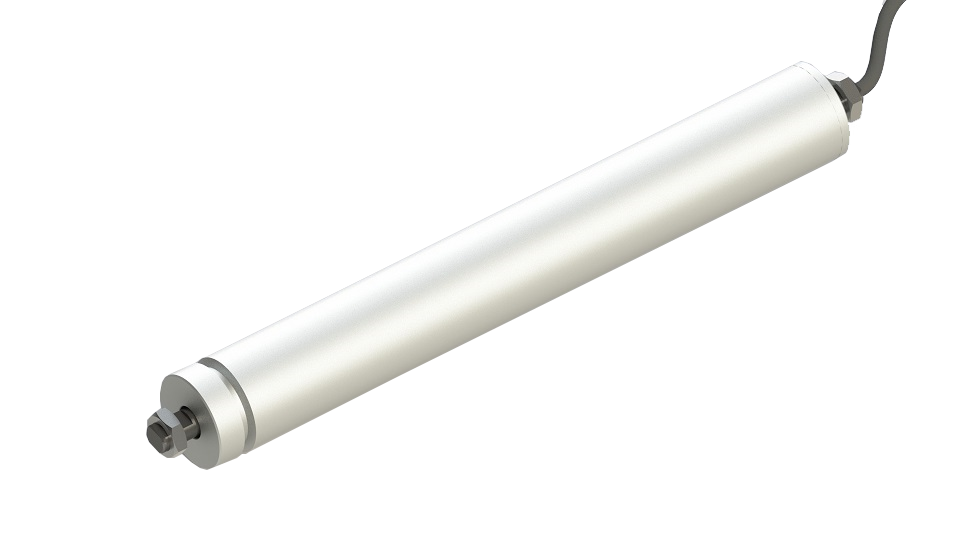
Decentralized electrical power fundamentally changes modern conveyor design logic. A low-voltage 24V or 48V motorized roller houses the brushless DC motor directly inside the metal roller tube. Each individual intelligent unit controls a specific, isolated physical zone along the transport line.
This decentralized system utilizes highly efficient run-on-demand logic. Engineers frequently refer to this as Zero Pressure Accumulation (ZPA). The architecture relies on small photo-eye sensors placed strategically in each physical zone. These sensors activate the isolated rollers only when a product physically enters the designated space. This creates inherent, reliable ZPA. Boxes never crash into one another, drastically reducing fragile product damage.
This modern approach completely eliminates parasitic mechanical components. Maintenance engineers remove external gearboxes, heavy drive belts, and all compressed air lines. Removing these external moving parts directly translates to vastly reduced mechanical friction. Consequently, the entire system experiences drastically lower total energy loss over its operating lifespan.
We must evaluate these two competing technologies across four critical performance dimensions. This side-by-side comparison reveals the true operational differences.
Traditional AC drives require exceptionally high starting torque just to overcome initial belt friction. They pull a continuous, heavy amperage draw regardless of actual load presence. This constant electrical demand spikes utility bills predictably every single month.
Conversely, low-voltage DC power natively limits harmful electrical spikes. Only 10 to 20 percent of a decentralized system runs at any given second during typical operations. Power is consumed exclusively when freight is physically moving through a designated micro-zone. This eliminates the baseline ghost energy drain completely.
Older mechanical systems suffer constantly from a single point of failure hazard. If one main AC motor goes down, the entire 100-foot line stops completely. Facility teams must perform high amounts of ongoing preventative maintenance. They grease bearings, replace snapped chains, and patch leaking air hoses weekly.
Decentralized systems offer highly valuable modular redundancy. If one specific motorized roller fails mechanically, maintenance crews can quickly bypass it via software. They can physically replace the broken unit in under 15 minutes. This localized repair happens without shutting down the rest of the facility.
AC-driven equipment creates high decibel output across the entire warehouse floor. Workers often require specific, mandated hearing protection just to walk the floor safely over long shifts. Exposed moving parts, like spinning shafts and tight belts, introduce severe physical pinch points.
Modern decentralized systems operate extremely quietly. They typically stay well under 60 to 65 dB during peak operation. The fully enclosed tube-style motors virtually eliminate external pinch points entirely. This enclosed design actively mitigates serious workplace safety liabilities and reduces worker compensation risks.
Traditional heavy belts and rigid line shafts offer zero flexibility. Modifying a line shaft or an AC-driven belt requires heavy, costly engineering. You must physically cut metal frames, weld new supports, and repeatedly re-tension heavy belts.
A decentralized architecture provides ultimate modular flexibility. Adding layout curves, routing spurs, or extending simple lines feels essentially plug-and-play. You simply connect standard Ethernet networking cables between pre-wired transport zones to expand your capacity.
| Efficiency Metric | Traditional AC Drives | Decentralized DC Rollers |
|---|---|---|
| Energy Draw | Continuous, high friction loss | Run-on-demand, low friction |
| System Uptime | Single point of failure limits production | Modular redundancy isolates downtime |
| Maintenance Needs | High (belts, chains, air leaks) | Low (run-to-fail isolated swap) |
| Noise Levels | High (80+ dB), requires PPE | Whisper-quiet (Under 65 dB) |
| Scalability | Rigid, requires heavy engineering | Plug-and-play network cables |
Facility managers must address upfront Capital Expenditure (CapEx) realistically before committing to an upgrade. Equipping every individual zone with a dedicated internal motor and smart control card is highly hardware-intensive. It is initially more expensive than buying a single massive AC motor to drive a long line.
Modern control architectures introduce another significant implementation hurdle. You must actively integrate decentralized zone logic into your existing warehouse software ecosystem. Connecting this new intelligent logic to an older Warehouse Management System (WMS) or legacy PLC requires highly experienced network integration.
Power supply distribution requires careful, meticulous electrical engineering. Installers must place dedicated 24V or 48V DC power supplies strategically along the entire conveyor frame. Electrical engineers must calculate and account for inevitable voltage drop across long physical cable runs.
Weight constraints play a limiting role in equipment selection. Standard decentralized rollers handle typical corrugated boxes and plastic totes easily. They usually hold up to 100 lbs per zone safely. Extreme heavy-duty applications, like moving 2,000 lb wooden pallets, require specialized, larger-diameter models. Otherwise, those massive industrial loads remain better suited for legacy traditional drives.
Knowing exactly when to upgrade dictates your final project success. You must align the technology perfectly alongside your facility throughput profiles.
When to Stick with Traditional Drives:Begin by conducting an internal energy audit on your current pneumatic and AC drives. Document your hidden baseline energy losses thoroughly. Then, request a small pilot zone test from your preferred vendor. This allows you to evaluate network integration feasibility firsthand before committing to a full facility rollout.
While traditional heavy drives still hold specific industrial niche applications, decentralized architectures win out broadly today. A DC motorized roller is objectively more efficient for discrete manufacturing, parcel distribution, and modern e-commerce fulfillment environments. Its intelligent run-on-demand energy profile and modular system uptime eliminate the massive operational waste heavily found in legacy systems.
You should consult directly with a qualified systems integrator to discuss your specific layout. Review detailed technical spec sheets carefully to match your unique facility load requirements. Map out a transparent retrofitting ROI timeline to secure your internal budget approval quickly and confidently.
A: Standard 50mm diameter models are optimized strictly for lighter boxes and totes. However, specialized heavy-duty pallet models exist. These robust units use larger steel diameters and hardened internal planetary gearing. They can move standard wooden pallets weighing up to 2,000 lbs highly efficiently.
A: You must evaluate lifespan using actual accumulated hours of operation. Since decentralized rollers only run when freight is physically present, they accumulate operating hours very slowly. They often last significantly longer chronologically than continuous-run AC motors. They eliminate constant, unnecessary internal wear.
A: It depends heavily on your existing conveyor frame dimensions. Manufacturers offer specialized retro-fit kits designed to replace older, inefficient line shafts. These clever drop-in solutions reuse your current side channels. They save massive upfront capital compared to installing entirely new metal frames.
A: A 48V system experiences drastically lower voltage drop over long physical cabling distances. You need fewer dedicated power supplies bolted along the main line. Furthermore, 48V models generally offer slightly higher torque capacity. This provides better performance for demanding incline or decline applications.


 English