
Views: 0 Author: Site Editor Publish Time: 2026-07-07 Origin: Site


Procurement decisions for automated material handling systems carry immense stakes. Choosing the wrong vendor leads to severe integration bottlenecks. You will face unplanned facility downtime. These disruptions inflate long-term operational expenses. They jeopardize critical service level agreements. Modern procurement teams must look beyond top-of-funnel feature hunting. You need a stringent approach focused on bottom-of-funnel risk mitigation. This shift ensures you partner with capable suppliers. They deliver lasting performance rather than a quick transaction.
Our objective here is clear. We provide a transparent, engineering-aligned framework. It helps you properly vet a motorized roller manufacturer. You will evaluate technical viability and ensure supply chain stability. We also show you how to confirm long-term support. Applying these standards protects your infrastructure investments. You will secure reliable conveyor operations for years.
Many buyers focus strictly on initial capital expenditure during procurement. This narrow view ignores massive operational expenditures over the equipment lifespan. Poorly chosen components introduce severe recurring costs. Substandard motorized rollers often suffer from premature bearing failures. They generate excess heat during peak loads. This heat degrades internal electronics rapidly. It triggers unpredictable maintenance cycles. Technicians spend hours swapping broken units. This labor significantly impacts your bottom line.
Furthermore, you must avoid proprietary lock-in. Closed ecosystems restrict your ability to scale operations efficiently. They force you to buy expensive proprietary replacement parts. They limit integration. You cannot easily connect third-party software or generic hardware. Over time, these closed systems artificially inflate your lifecycle expenses. A reputable supplier uses open protocols. This practice ensures your facility remains scalable. You avoid unnecessary financial penalties later.
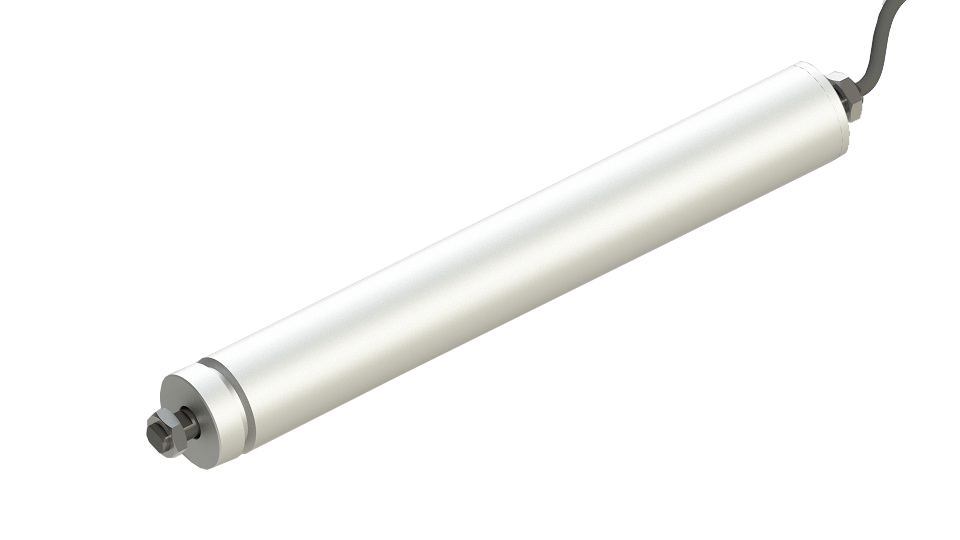
We need rigorous baseline metrics to compare suppliers fairly. Proper evaluation requires specific engineering data. It prevents marketing fluff from clouding your judgment.
Do not take torque specifications at face value. You must assess how the manufacturer validates these numbers. Are the tests based on continuous operation? Do they only cover intermittent throughput? Continuous heavy loads stress internal gearboxes differently. Sorting tasks provide momentary breaks. You should ask the manufacturer for testing logs. They must demonstrate torque retention under your specific operational profiles.
Hardware longevity depends heavily on material science. You must verify testing standards for tube materials. Evaluate galvanized steel, stainless steel, and polyurethane coatings. Choose them based on your specific operational environment. Polyurethane sleeves offer excellent grip for incline conveyors. Galvanized steel provides a cost-effective solution for standard warehousing. Stainless steel remains strictly necessary for food-grade applications. You must match the material precisely to your use case. Check the certified bearing lifespan under full-load conditions. For harsh environments, you must verify Ingress Protection (IP) ratings. A washdown facility demands IP66 or higher. Dust-heavy warehouses need strict particulate shielding to prevent early failure.
Modern facilities prioritize energy consumption reductions. Evaluate the supplier data on run-on-demand capabilities. Rollers should only activate when a zone contains a package. You need baseline power consumption figures for standby modes. Also, review thermal dissipation data during peak load times. Superior thermal management extends motor life significantly. It reduces the cooling burden on your facility.
Noise pollution impacts worker safety directly. It affects facility compliance. Establish strict baseline decibel limits before signing contracts. High-quality units operate below 65 dB even at maximum RPM. You should request independent acoustic test reports. These documents ensure compliance. They protect your workers from long-term hearing degradation.
Use the following technical benchmarks to compare baseline performance across different suppliers:
| Evaluation Category | Standard Requirement | High-Performance Benchmark |
|---|---|---|
| Bearing Lifespan (L10) | 20,000 hours | 50,000+ hours |
| Ingress Protection | IP54 | IP66 / IP67 |
| Acoustic Output | < 75 dB | < 65 dB |
| Thermal Dissipation | Passive casing | Advanced heat sink designs |
Mechanical reliability alone cannot guarantee project success. System integration dictates how well your equipment functions. It must perform seamlessly within a larger automated ecosystem.
Integration bottlenecks frequently delay project launches. You must determine how easily the new hardware interfaces. It needs to connect smoothly into your existing control architectures. Verify compatibility with your primary Programmable Logic Controllers (PLCs). They must support standard fieldbus protocols. Look for PROFINET, EtherCAT, or Ethernet/IP. Additionally, validate their Zero Pressure Accumulation (ZPA) logic. Seamless ZPA integration prevents product collisions. It optimizes continuous material flow across zones. Modern warehouses rely on precise timing. If the communication lags, boxes crash into one another. You lose valuable product and risk mechanical damage. Check their response times down to the millisecond. This ensures your sorting algorithms execute flawlessly.
Your deployment scenario dictates specific hardware requirements. Small businesses often upgrade legacy systems. For retrofits, you must evaluate the manufacturer documentation. Review their hardware design carefully. Do they provide drop-in replacements? Universal mounting brackets make a huge difference. Retrofits require adaptability. The rollers must fit into aging frames without extensive modifications. In contrast, enterprise automated storage deployments need highly networked solutions. Greenfield projects require comprehensive API documentation. They demand advanced network topologies for centralized control. You are building from scratch, so the components must communicate perfectly from day one.
Predictive maintenance reduces unplanned downtime drastically. Check the control cards for modern diagnostic capabilities. Your team needs real-time fault tracking. It should feed directly into the main dashboard. Look for built-in temperature monitoring. Current-draw alerts can signal an impending mechanical jam. These diagnostic outputs empower your technicians. They can replace wearing parts before catastrophic failures occur.
A superior product means nothing if delivery fails. Supply chain resilience separates reliable partners from risky vendors. You must scrutinize their logistics and support structures.
Analyze the risk differential between domestic facilities and international imports. Global supply chain shocks can cripple your expansion plans. You need transparency regarding their manufacturing footprint. Ask about their local inventory buffers. A robust partner maintains regional stocking centers. They guarantee fast delivery of critical spares. This local presence minimizes prolonged conveyor downtimes. Relying solely on overseas shipping creates immense vulnerability. Port strikes or customs delays can stall your entire project timeline.
Never accept generic warranty claims without scrutiny. You must parse the standard warranty language carefully. Distinguish between comprehensive defect coverage and basic exemptions. Many vendors void warranties quickly. They penalize you for operating equipment outside narrow thermal bands. Demand clarity on what constitutes abnormal use. A transparent warranty reflects a manufacturer's true confidence. It protects your capital investment long-term. Look for vendors who offer extended warranties as an add-on. This option often signals a highly durable product architecture.
Transaction-focused suppliers disappear after the final invoice. Strategic partners provide ongoing assistance. Verify the availability of local technical support teams. You should request examples of their troubleshooting documentation. Ask about guaranteed replacement part availability. A unique control card might fail at midnight. You need a clear path to immediate resolution. Good support prevents disastrous shipping delays.
Create a rigorous, objective process to filter potential vendors. Emotional decisions often lead to poor procurement outcomes. You need a structured checklist to compare options fairly.
Always demand verifiable documentation for relevant industry standards. Do not accept verbal assurances. Require official certificates for UL, CE, and RoHS. For quality management, confirm their active ISO 9001 status. These certifications prove the manufacturer follows standardized processes. They guarantee a baseline level of manufacturing safety.
Never sign an enterprise contract without physical validation. Request sample units for extensive pilot testing.
This physical testing reveals hidden thermal buildup issues. It shows actual current draw. It proves whether their hardware matches their marketing claims.
To make a final decision, build an objective procurement scorecard. Remove subjective bias from the equation. Assign percentage weights to different categories. Base these weights on your project priorities.
Consider using this standardized scoring breakdown for your evaluation:
Procuring material handling equipment requires a fundamental shift in perspective. You are not simply buying a commodity part. You are partnering with a strategic infrastructure provider. Rigorous technical validation guarantees seamless system integration. Thorough supply chain vetting ensures timely parts delivery. These disciplined steps remain the best ways to guarantee strong conveyor project returns.
We encourage your procurement and engineering teams to adopt this framework. Utilize the outlined scoring matrix when drafting your next Request for Proposal (RFP). Demand transparency from every potential supplier. Conduct physical pilot tests to eliminate operational risks. A poor decision haunts your maintenance budget for a decade. A smart choice elevates your throughput and reduces stress. Gather your stakeholders. Review these criteria together before reaching out to vendors. Take action today. Build a more resilient, scalable, and efficient automated facility.
A: A reputable supplier typically offers a baseline warranty of 1 to 2 years from the date of installation. Comprehensive warranties cover manufacturing defects and premature electrical failures. However, operating the equipment beyond stated weight capacities usually voids this coverage. Exposure to unauthorized washdown chemicals or extreme thermal environments also acts as a common exemption.
A: You should mandate a pilot program using sample units from the supplier. Install these units into a high-traffic zone of your existing system. Monitor the hardware for thermal buildup. Verify the actual current draw under peak loads. Finally, test the PLC handshake reliability. This ensures seamless communication and validates zero-pressure accumulation functionality.
A: No, dimensional standards vary significantly across the industry. You must verify between-frame dimensions and specific hex shaft sizes before ordering. Many units follow common industry sizing. However, retrofitting legacy systems often requires specialized mounting brackets. Always demand manufacturer-verified retrofitting kits. They prevent costly on-site mechanical modifications.
A: Standard off-the-shelf units typically ship within two to four weeks. They benefit from active regional inventory buffering. Conversely, custom application-specific modifications extend delivery schedules significantly. Specialized tube coatings, unique cable lengths, or custom gear ratios take longer. They can push lead times to eight or twelve weeks. This depends heavily on global supply chain conditions.


 English