
Views: 0 Author: Site Editor Publish Time: 2026-07-12 Origin: Site


Modern material handling requires absolute modularity and energy efficiency. Traditional centralized conveyor drives constantly struggle to provide these critical operational advantages. Today, agile fulfillment centers demand smarter, more adaptable internal logistics. As facility footprints shrink and daily operational costs rise globally, the industry is quickly evolving. Engineers and facility managers actively shift away from bulky, centralized AC motors. Instead, they implement distributed 24V DC motorized roller systems to modernize their production lines.
This comprehensive guide breaks down the precise technical anatomy of these innovative driving units. We explore their optimal use cases across diverse warehouse environments. Finally, you will learn the exact structural criteria necessary for evaluating these specific systems. You can apply these insights directly during facility upgrades or brand-new line integrations.
Understanding the internal mechanics helps you assess system durability accurately. It also reveals long-term maintenance implications. When engineers look inside the tube, they find a highly optimized electromechanical system. This self-contained design protects moving parts from external debris. It ensures consistent performance across various industrial environments.
The core of this system relies on a Brushless DC Motor (BLDC). Manufacturers utilize 24V standard power for maximum safety and electrical efficiency. Brushless designs eliminate internal friction points. This extends the calendar lifespan of the unit significantly. The BLDC motor provides immediate torque upon startup. It draws minimal amperage during idle states.
An integrated gearbox sits directly next to the motor. Planetary gears determine the exact torque-to-speed ratio. Engineers fit these intricate gear assemblies entirely within the confined space of the roller tube. A three-stage planetary gearbox, for example, multiplies motor torque heavily for conveying heavy cartons.
External O-rings and drive bands complete the physical power transfer. This mechanical linkage transfers rotational power from the main motorized roller to adjacent idler rollers. Polyurethane drive bands offer excellent elasticity and grip. They allow one motorized unit to drive up to nine slave rollers efficiently.
Every intelligent roller requires a dedicated motor control card. These external drive cards regulate speed, rotational direction, and dynamic braking. You mount the control card directly to the conveyor frame. The card monitors internal motor sensors in real-time. It adjusts current flow to maintain a constant speed under varying load weights.
Advanced communication protocols allow seamless facility integration. Protocols like Ethernet/IP and PROFINET act as the communication bridge. They are strictly required for warehouse management system (WMS) integration. Modern control cards process zone logic internally. They read local photoelectric sensor data. They then communicate upstream and downstream statuses automatically. This decentralized logic reduces the processing burden on the main facility PLC.
You need a clear comparative baseline to justify retrofit costs. New system investments also require strict ROI documentation. Upgrading material handling infrastructure requires balancing upfront equipment costs against long-term operational savings.
We must contrast centralized continuous-run AC motors against distributed "Run-on-Demand" 24V DC systems. Traditional AC conveyors use massive 480V motors. These motors run continuously, driving heavy chains or belts. They consume maximum power even when no boxes are moving. This wastes massive amounts of electricity during idle warehouse periods.
A distributed 24V DC system operates entirely on a "Run-on-Demand" basis. A specific zone only activates when a sensor detects an approaching product. Once the product leaves the zone, the motor immediately shuts off.
Energy efficiency metrics strongly favor this distributed approach. Documented power savings often reach up to 60% during standard operational shifts. You will notice these savings particularly during off-peak hours. The localized power usage directly lowers utility bills.
| Evaluation Criteria | Traditional AC Drive System | DC Motorized Roller System |
|---|---|---|
| Operational Mode | Continuous running regardless of load presence. | Run-on-Demand (activates only when needed). |
| Energy Consumption | Extremely high baseline power draw. | Highly efficient; zero power draw during idle. |
| Noise Levels | Loud (chain clatter, continuous motor hum). | Quiet operation (sub-60 dB typical). |
| Maintenance Complexity | Requires lubrication, chain tensioning, alignment. | Virtually maintenance-free enclosed tube. |
Small and medium-sized businesses face severe space constraints. The complete elimination of external motors, chains, and sprockets reduces the physical conveyor footprint. Traditional drives require bulky underslung motor mounts. These mounts consume valuable vertical space. A localized roller system hides all mechanics inside the frame.
Low voltage (24V) minimizes workplace electrocution risks entirely. OSHA compliance becomes significantly easier to manage. In-house technicians can safely work on active conveyor lines. They do not require advanced high-voltage certifications to swap a damaged unit. This simplifies routine maintenance compliance for lean technical teams.
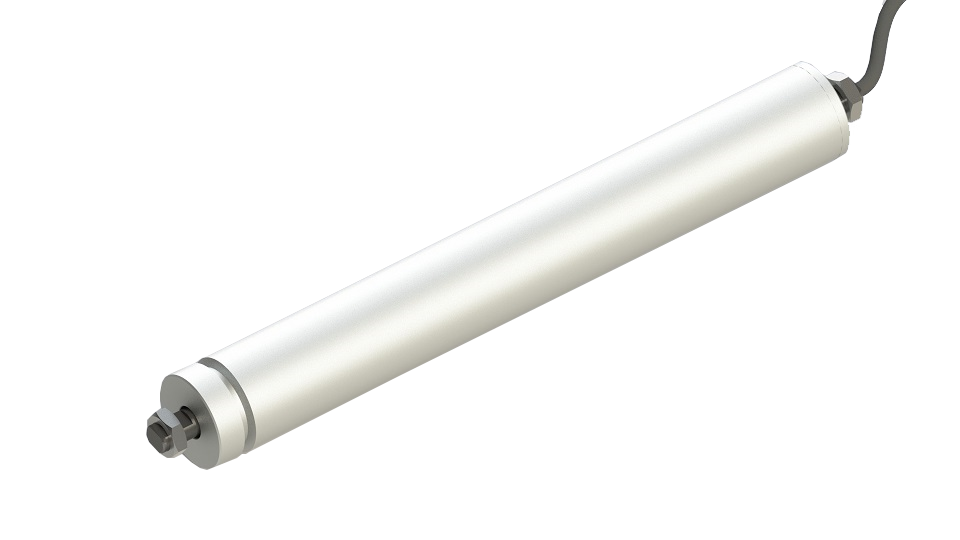
Matching the correct technology to specific operational bottlenecks maximizes throughput. Material handling requirements vary wildly between different industry sectors. Engineers must deploy targeted driving mechanisms to solve distinct routing challenges effectively.
Zero Pressure Accumulation represents the most common application for these intelligent rollers. Localized control logic creates distinct operational zones. These independent zones prevent product collisions entirely during long queuing cycles. A downstream zone signals the upstream zone to halt. This dynamic queuing regulates product flow intelligently.
ZPA is absolutely essential for fragile goods handling. Cosmetics, electronics, and glassware require gentle deceleration. Automated packaging lines also depend heavily on precise ZPA logic. A robotic palletizer requires distinct gaps between incoming cartons. ZPA provides these accurate product gaps reliably. It eliminates the crushing line pressure common in traditional belt conveyors.
Modern distribution centers sort thousands of packages hourly. Using the instant start/stop capabilities of a DC motorized roller ensures accurate product routing. Internal BLDC motors feature dynamic electrical braking. This stops heavy cartons within millimeters of the target sensor.
Right-angle transfers and diverts rely heavily on this precision. When a box reaches a transfer mechanism, the forward rollers halt instantly. Pop-up steerable rollers activate underneath the carton. They eject the product seamlessly onto an adjacent shipping lane. Sluggish AC motors simply cannot match this rapid cycling capability.
Many growing brands operate in leased, multi-tenant warehouses. These environments restrict permanent facility alterations. The modular nature of intelligent rollers allows for scalable layouts. You can easily reconfigure conveyor paths during seasonal volume spikes.
You do not need heavy facility modifications or structural welding. Expanding a line requires simply bolting on additional frame sections. You plug the new power supply into a standard wall outlet. This flexibility allows SMBs to automate their fulfillment processes incrementally. They avoid massive upfront capital expenditures.
Hard specifications and precise boundary conditions dictate the shortlisting process. Purchasing decisions must align closely with daily operational realities. Engineering teams should standardize their evaluation criteria before approaching vendors.
Engineers must understand the inverse relationship between torque and speed. You cannot achieve maximum speed and maximum load capacity simultaneously within a standard 50mm tube. A high-speed gearbox sacrifices low-end torque. Conversely, a high-torque gearbox reduces the maximum conveying speed significantly.
Limitation check: You must identify when a load is too heavy. Standard 24V rollers handle cartons, plastic totes, and polybags efficiently. However, heavy loaded pallets often exceed 2,000 pounds. This massive weight crushes standard bearings. Transitioning back to traditional chain-driven AC systems is necessary for heavy pallet handling applications.
Industrial environments destroy poorly specified equipment rapidly. Specifying the correct Ingress Protection (IP) rating prevents premature motor failure. Standard warehouse rollers utilize IP54 ratings. This protects against settling dust and light water splashes. It is perfectly adequate for climate-controlled distribution centers.
Washdown environments require completely different specifications.
Evaluating vendor lock-in risks is critical during the procurement phase. Some manufacturers utilize highly proprietary control cards. These cards force you to purchase specialized software licenses. They make future system expansions artificially expensive.
We recommend prioritizing open-architecture PLC compatibility. Ensure the selected drive cards support universal NPN or PNP sensor inputs. Verify their ability to communicate over standard industrial networks natively. Open protocols prevent costly software integration hurdles. They allow your in-house engineering team to maintain control over the facility logic.
Mitigating deployment friction ensures a smooth facility upgrade. Planning for long-term operational efficiency prevents frustrating production delays. Installation requires careful attention to electrical fundamentals.
Planning for 24V power supply distribution requires accurate mathematical calculations. A standard 20-amp power supply only drives a limited number of active zones. System integrators must calculate the total peak amperage during simultaneous zone startups.
Voltage drop across long conveyor runs is a serious adoption risk.
The "plug-and-play" replacement reality changes facility maintenance paradigms completely. Swapping a single damaged motorized roller takes less than ten minutes. You drop the drive bands, unscrew the mounting bracket, and disconnect the M8 cable. You can accomplish this without halting the entire conveyor line.
Training requirements for local maintenance teams change under this model. Mechanics must transition into basic electrical diagnosticians. They must learn to read control card LED fault codes accurately. A blinking red LED might indicate thermal overload or sensor blockage. Teaching teams to interpret these visual codes accelerates troubleshooting significantly.
A sophisticated low-voltage roller is not a universal replacement for all material handling applications. Heavy pallets and bulk mining materials still require traditional AC power. However, it is the definitive solution for scalable, energy-efficient, and modular zone control. The Run-on-Demand operational model slashes daily utility costs entirely.
Base your final vendor selection on absolute control card interoperability. Map out your specific load-to-speed ratios meticulously. Verify the regional availability of replacement mechanical components before signing a purchase order.
Your best next step involves direct action. Consult with a certified integration engineer today. Audit your current system's daily energy consumption carefully. Alternatively, map out a small ZPA pilot zone in your facility to validate these performance claims firsthand.
A: Lifespan is typically measured in active running hours, often ranging from 15,000 to 20,000+ hours. The Run-on-Demand functionality significantly extends the calendar lifespan compared to continuous-run motors. Since the motor only operates when a product is physically present, the actual wear and tear per shift remains incredibly low.
A: Standard units are designed strictly for cartons, totes, and light goods. They typically handle up to 50-100 lbs per accumulation zone. Heavy pallet handling requires specialized heavy-duty industrial rollers or traditional AC chain-driven systems. Overloading standard tubes will cause immediate internal gearbox failure.
A: Not necessarily for basic zero pressure accumulation. Many modern control cards feature built-in hardware logic for local zone control. They manage sensor inputs and motor outputs independently. However, complex high-speed sortation and broad warehouse management system (WMS) integration will definitely require a centralized PLC.


 English